
What Is the Best Honey?
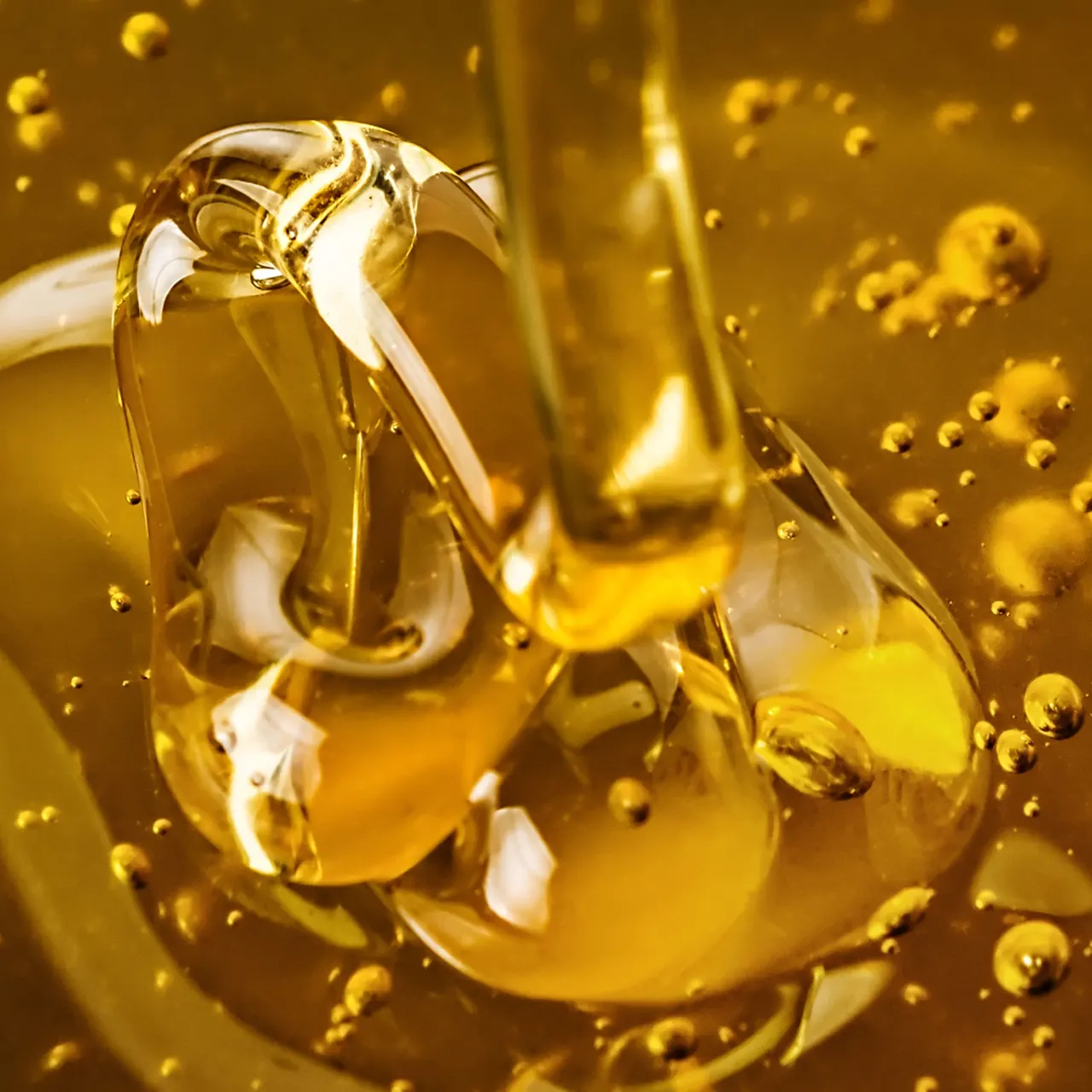
There is no single best honey. There is the best honey for you. The right approach is not to look for a universal ranking, but to combine two questions: for what use, and of what quality? A raw thyme honey is unbeatable for the throat but divides opinion on a crêpe; a creamy lavender honey wins everyone over at breakfast but fades into the background in a pain d’épices. Here is our guide to finding your champion.
Summary
- The “best honey” depends on the use: tasting, health, cooking, every day.
- For the same use, quality makes the difference: raw, unpasteurised, with a precise origin.
- Mildness: lavender. Health/throat: thyme. Character: chestnut. Nutrition: forest.
- A good honey has an origin, a season and a beekeeper, not just a pretty label.
The best honey for your use
| Your priority | Our recommendation | Why |
|---|---|---|
| Everyday mildness | Lavender honey | Floral, creamy, loved by all, the emblem of Provence |
| Throat and winter | Thyme honey | Rich in antiseptic thymol, France’s “active” honey |
| Character on the palate | Chestnut honey | Woody, tannic, long: the connoisseur’s grand cru |
| Nutritional density | Forest honey | The richest in minerals (honeydew), less sweet on the palate |
| Versatility in cooking | Mountain honey | Complex and balanced, holds up well to heat |
| Mediterranean terroir | Garrigue honey | Thyme, rosemary, savory: the Provençal hills in a jar |
Mild or strong: the first question to ask yourself
Honeys sit along a simple scale, from the mildest to the most powerful: lavender → mountain → garrigue → forest → thyme → chestnut. Pale honeys (lavender) are floral and crowd-pleasing; the darker the colour, the more intense the aromas become, with woody or spicy notes… and the richer they become in minerals and antioxidants. None is “better” in absolute terms: a cheese board calls for chestnut, a child’s yoghurt calls for lavender.
The best honey for health
If wellbeing is your criterion, two families stand out:
- “Active” honeys: thyme first (antiseptic thymol), the benchmark for coughs and sore throats and a serious rival to Manuka at a reasonable price;
- Dark honeys: chestnut and forest, champions of minerals and antioxidants; details in our articles on the benefits of chestnut honey and of forest honey.
But remember this: whatever its variety, a pasteurised honey has lost most of its health benefits. Quality comes before variety.
What really makes an exceptional honey
For the same variety, four criteria separate the ordinary from the excellent:
- Origin: a local, identified harvest, not a global blend;
- Cold extraction: enzymes, pollen and aromas preserved;
- A fresh harvest and careful storage;
- An honest label: a genuine producer tells you where, when and how.
Our complete guide how to recognise a quality honey details each check, from crystallisation to price.
Our advice: build your trio
After years of offering our honeys for tasting, our recommendation comes down to three jars:
- A mild one for the everyday table (lavender);
- An active one for winter (thyme or garrigue);
- A strong one for cooking and cheese (chestnut or forest).
It is the best way to discover your real preferences, and to always have the right honey at the right moment. Find the whole range on our honeys harvested in Provence.
Frequently asked questions
What is the best honey in the world?
No serious ranking can name one: competitions reward batches, not varieties. French terroir honeys (lavender honey harvested in Provence, thyme, chestnut), harvested raw by identified beekeepers, are among the very best.
What is the best honey for health?
Thyme honey for its antiseptic properties, dark honeys (chestnut, forest) for their richness in minerals and antioxidants, provided they are raw and unpasteurised.
Which honey tastes best?
It is a matter of taste: lavender charms with its floral mildness, chestnut with its woody power. Our advice: taste a mild, a medium and a strong honey to work out your preferences.
How can you be sure you are buying a good honey?
A precise origin, the words “unpasteurised” or “cold-extracted”, natural crystallisation, a consistent price, and a producer who answers questions. Buying direct, through a short supply chain, remains the best guarantee.