
The Benefits of Chestnut Honey: a Concentrate of Minerals
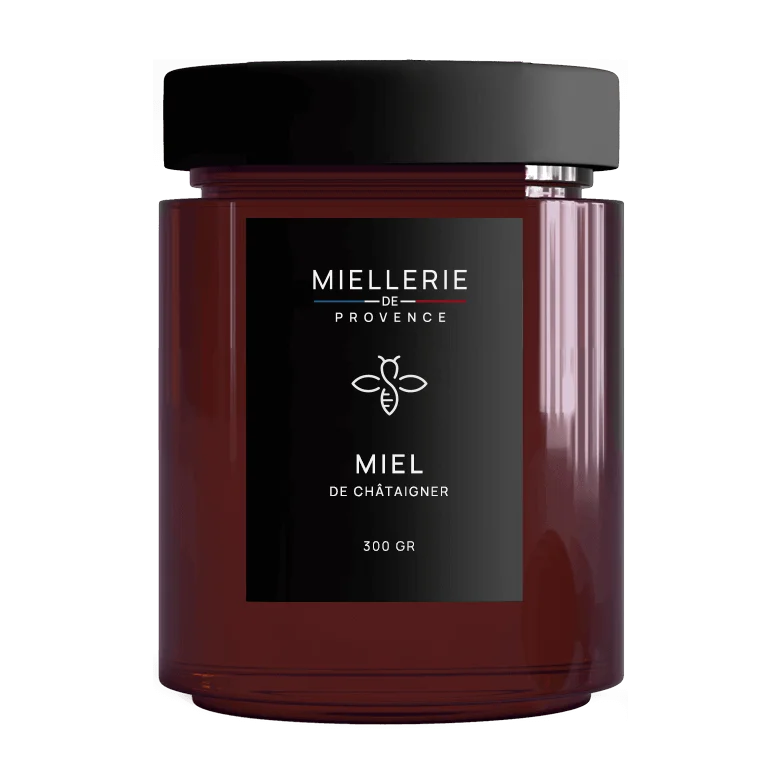
Behind its robust taste, which divides food lovers, chestnut honey hides some of the most interesting benefits of all French honeys. Its dark colour is not just a matter of looks: it signals a remarkable concentration of minerals and antioxidants, which places it at the very top of the nutritional ranking of honeys. Here is why this underrated honey deserves a place in your cupboard.
The benefits of chestnut honey at a glance
- One of the honeys richest in minerals: potassium, magnesium, manganese, iron
- A record antioxidant content among French honeys
- Traditionally associated with supporting blood circulation
- A strong sweetening power: you need less of it for the same effect
- Very slow crystallisation: it naturally stays runny for a long time
Why is chestnut honey so rich?
The chestnut tree produces nectar and honeydew that are particularly rich in elements from the tree’s sap. The resulting honey is dark, which in honeys is a reliable indicator: the darker a honey, the richer it is in minerals and phenolic compounds. Analyses regularly place chestnut among the top three European honeys for nutritional density, alongside fir and forest honeys.
The main benefits of chestnut honey
1. A wealth of minerals and trace elements
Potassium (it is one of the best-endowed honeys), magnesium, manganese, iron, zinc: chestnut honey provides a range of trace elements that is rare for a sweetener. It is the classic honey for athletes and for times of fatigue, in place of white sugar, which provides only empty calories. We explain why you should replace refined sugar with honey.
2. An antioxidant champion
Its polyphenol and flavonoid content is among the highest of French honeys. These compounds help neutralise free radicals, which are involved in cell ageing. One more reason to alternate between pale and dark honeys.
3. The traditional honey for circulation
In French herbal tradition, chestnut honey has long been associated with circulatory comfort, a traditional use that echoes that of chestnut bark and leaves. Without making it a remedy, it is the honey that tradition recommends for heavy legs.
4. A friend to the throat in winter
Like all honeys rich in phenolic compounds, it has antibacterial and soothing properties that are appreciated when colds come round. For a cough itself, thyme honey remains the most suitable. Our guide which honey for a cough? compares the two.
5. More sweetness, so you use less
Very rich in fructose, chestnut honey has a greater sweetening power than white sugar and most honeys: you use less for the same result. Its glycaemic index is also more moderate than that of glucose-rich honeys.
How should you eat it to enjoy its benefits?
- In the morning: a spoonful on toasted wholemeal bread, a perfect match;
- With cheese: tomme, Comté, blue cheese… its noble bitterness works wonders;
- In cooking: pain d’épices (it is THE honey for this French spiced bread), marinades, roast root vegetables; see our recipes;
- In yoghurt or a warm herbal tea: never in a boiling liquid, to preserve its enzymes and aromas.
As with all honeys: not before 12 months, and in moderation if you have diabetes.
How to choose a good chestnut honey
A genuine chestnut honey should state a precise origin and, ideally, the words “raw” or “unpasteurised”. Be wary of very cheap honeys that have stayed oddly runny and mild: authentic chestnut honey has character. Ours is harvested in Provence and jarred without heating: discover our artisan chestnut honey, and our tips for recognising a quality honey.
Frequently asked questions
What are the benefits of chestnut honey?
It is one of the honeys richest in minerals (potassium, magnesium, iron) and antioxidants. It is traditionally associated with supporting circulation and makes an excellent natural sweetener with a moderate glycaemic index.
Is chestnut honey good for circulation?
That is its traditional use in French herbal tradition, in keeping with the uses of the chestnut tree itself. No honey replaces treatment, however: see it as a nutritional boost.
Why is chestnut honey bitter?
Its slight bitterness comes from the tannins and phenolic compounds of the chestnut tree, precisely the molecules behind its antioxidant richness. Bitterness is the (delicious) price of its benefits.
Chestnut honey or forest honey?
Both are dark and rich in minerals. Chestnut honey is more robust and slightly bitter; forest honey, made from honeydew, is maltier and milder. It is a matter of taste: nutritionally, both are excellent.