
In the morning
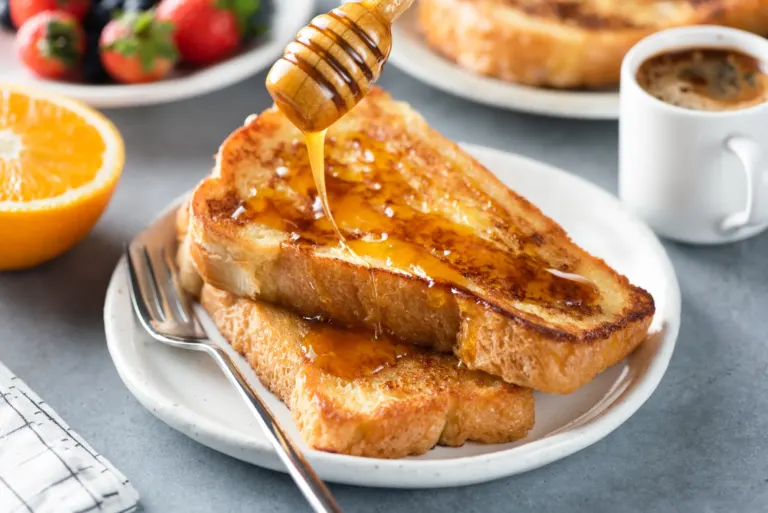
On buttered toast or plain yoghurt: its floral gentleness wakes you up without overpowering anything.
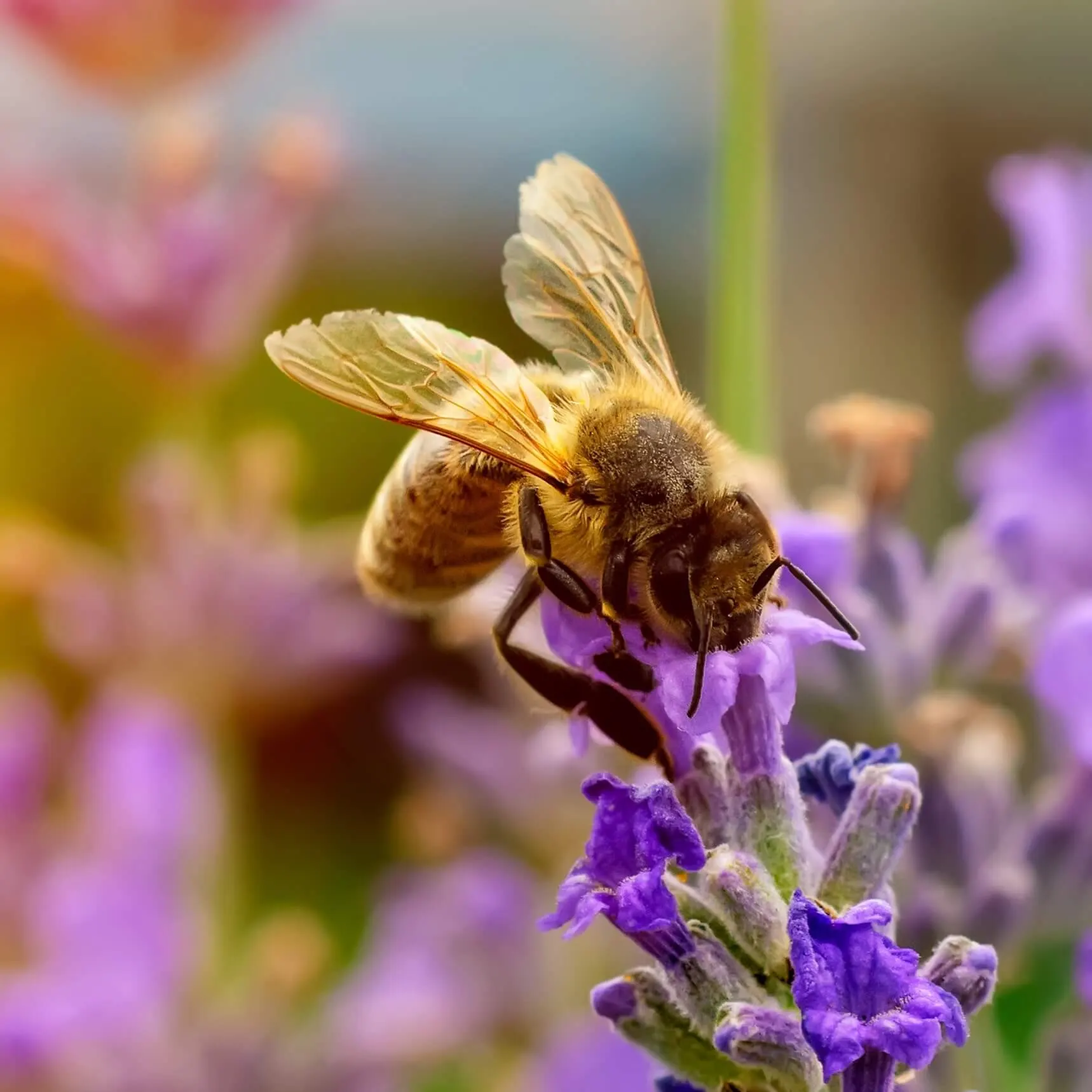

MonofloralHarvested in Provence
€15.00 (€50.00 / kg)
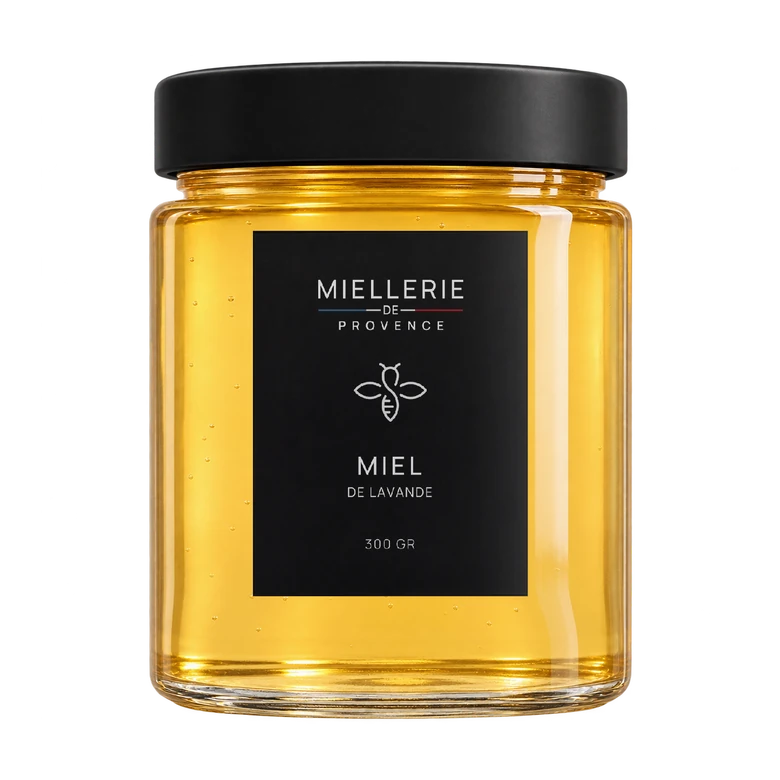
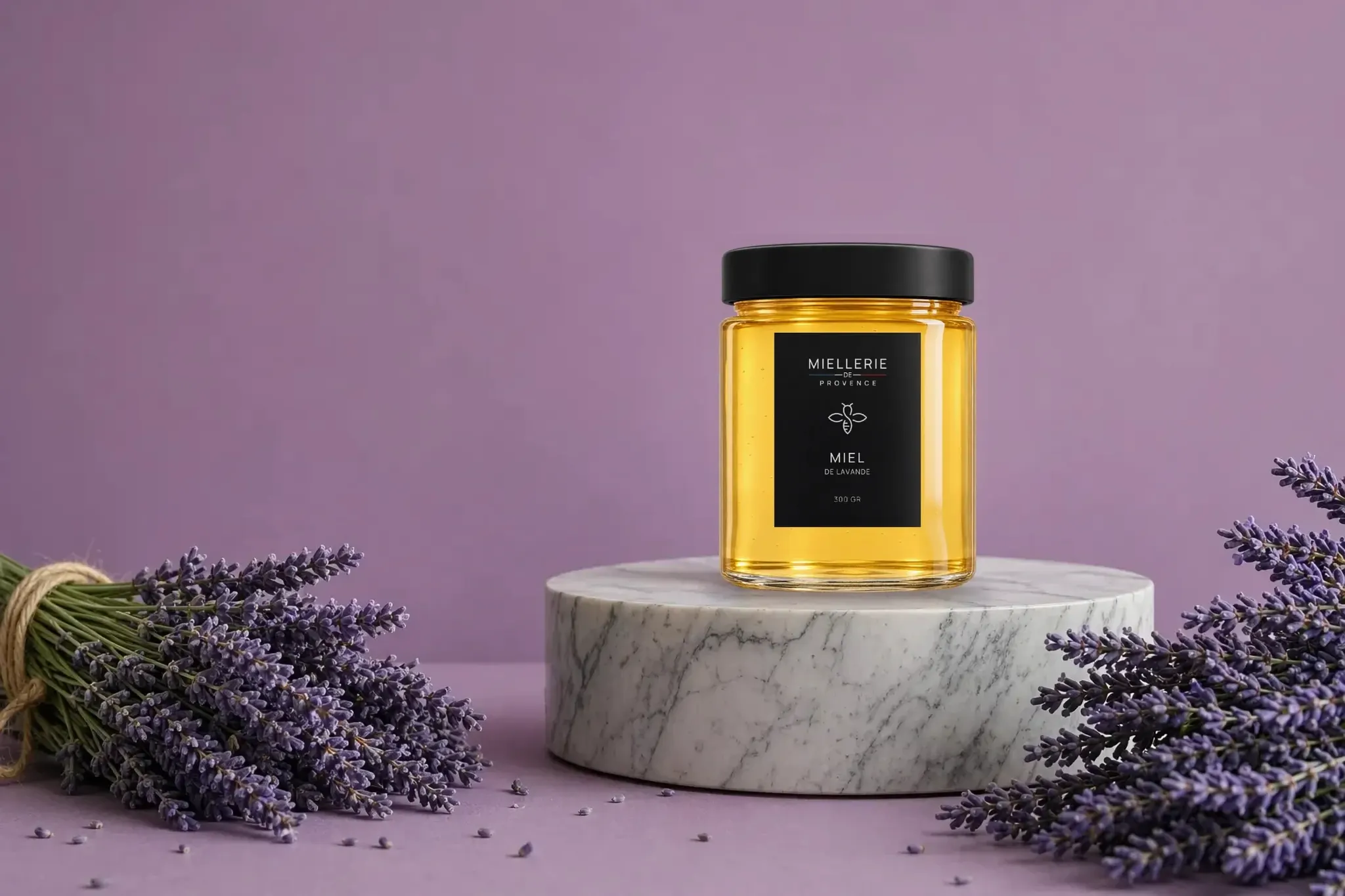
A raw lavender honey harvested in Provence, pale, gentle and naturally creamy, never pasteurised: the floral honey for breakfast and an evening herbal tea.
Gentle, floral, creamy
Order today, estimated delivery in France between Friday 13 November and Tuesday 17 November
Shipped within 2 to 3 working days from Aix-en-Provence. Free delivery from €50 (4 jars of this honey).
Delivered before Christmas for orders placed by Tuesday 15 December
Card, Apple Pay, Google Pay · 14 days to change your mind
Tasting notes
Just like a wine: its colour, its aromas, then how it unfolds on the palate, from first impression to finish.
01
Ivory white to pale yellow
02
03
Crystallisation
Stays runnyTurns creamyFast: creamy within a few weeks. This is natural, and the sign of a honey that was never heated.
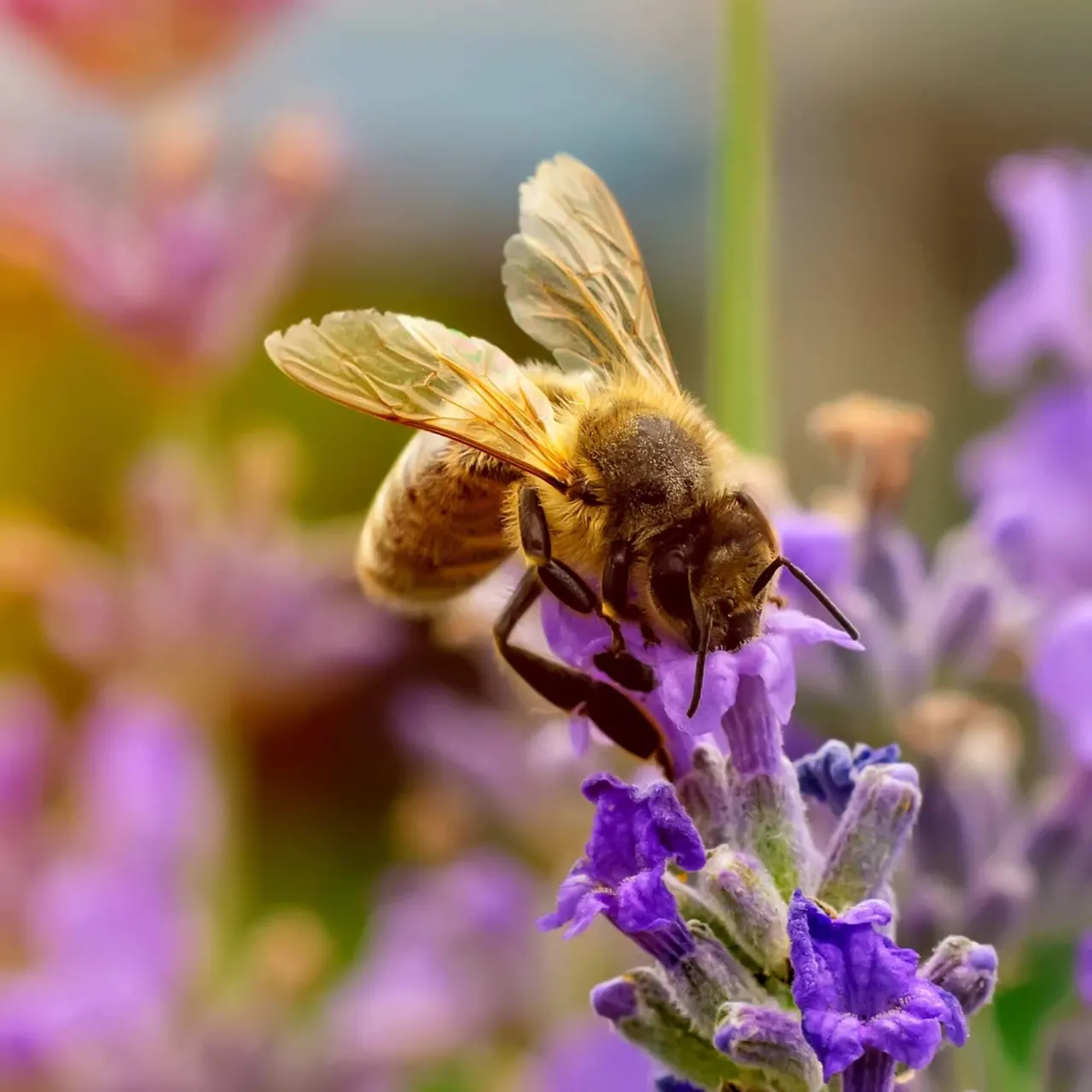
Its terroir
Between 500 and 1,100 metres, the lavender fields bloom from mid-June to early August. The hives stay for a few weeks, the time of a short and fragrant honey flow.
Its year
FloweringHarvest
From hive to jar
Our partner beekeepers set their hives as close to the flowers as possible, for the length of the honey flow.
The honey is spun from the frames without heating, so its aromas, enzymes and pollen stay intact.
One honey, one terroir: no blending of origins, no added sugar, no pasteurisation.
In a 300 g glass jar, then shipped from Aix-en-Provence within 2 to 3 working days.
Enjoying it
On buttered toast or plain yoghurt: its floral gentleness wakes you up without overpowering anything.
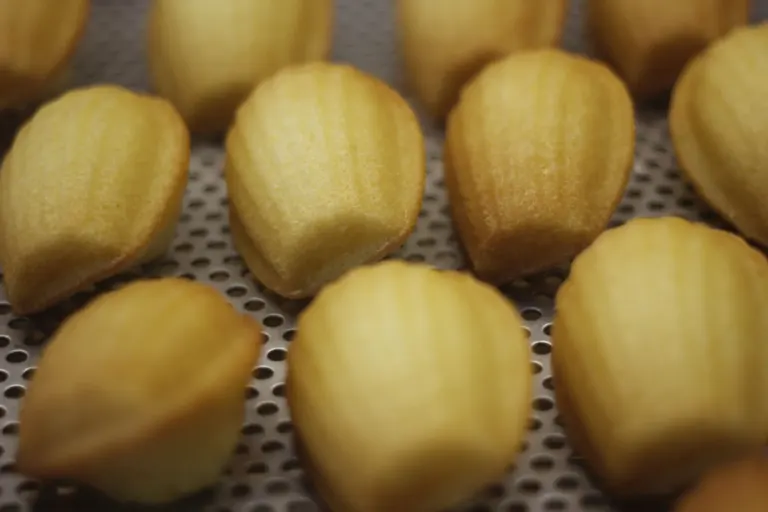
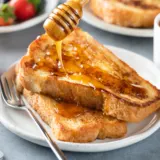
In madeleines, French toast or a fruit salad, where it perfumes without dominating.
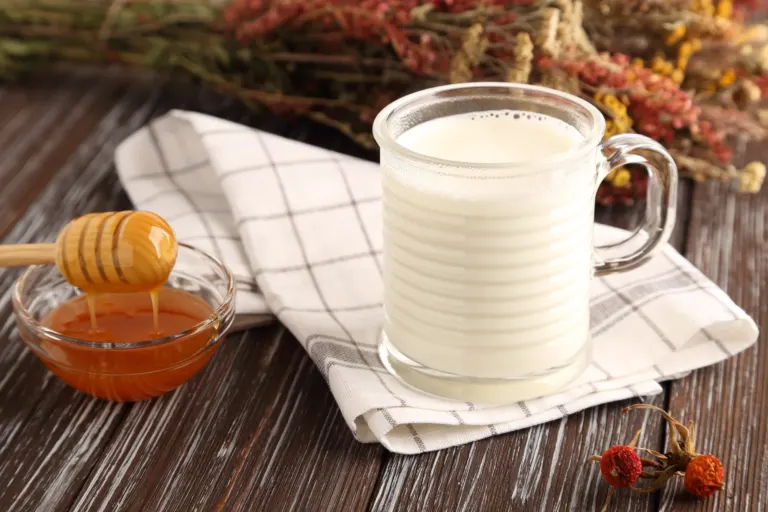
A spoonful in a warm herbal tea or hot milk, stirred in off the heat.
Cook with this honey
20 reviews · verified purchases
Lavender honey is a pale, gentle and floral honey with a naturally creamy texture, harvested in Provence while lavender and lavandin are in flower, from mid-June to early August. Raw, cold-extracted and never pasteurised, it is selected from partner beekeepers and jarred in Aix-en-Provence. It is the ideal first step into French terroir honeys, loved by delicate palates and by children from the age of one.
Lavender and lavandin flower on the plateaux of Provence, at roughly 500 to 1,100 m: the Valensole plateau, the Pays de Sault, the Albion plateau. Just before flowering, beekeepers set their hives along the edges of the fields, then take off the honey supers at the end of the honey flow, usually between July and August. This tight calendar makes lavender honey a seasonal honey whose volume varies greatly with the weather: a drought, or a few days of mistral in full bloom, is enough to cut a harvest.
Our lavender honey comes from these plateau blooms. We do not present it as the honey of one particular village: its exact origin depends each year on the apiaries of the partner beekeepers we select. To get to know these landscapes, read our article on the Valensole plateau, lavender and honey.
Lavender honey is pale, from ivory white to light yellow. It crystallises quickly into very fine crystals, and it is this natural crystallisation that makes it a creamy honey, smooth and easy to spread, with nothing added. On the palate it is gentle and rounded, very floral, with fruity notes and a hint of elegant acidity on the finish.
| Characteristic | Lavender honey |
|---|---|
| Floral source | Lavender and lavandin, monofloral honey |
| Harvest | Plateaux of Provence, in high summer |
| Colour | Ivory white to pale yellow |
| Texture | Creamy, quick and fine crystallisation |
| Flavour | Gentle, floral, fruity notes |
| Intensity | Mild (2 out of 5) |
| Pairings | Breakfast, yoghurt, herbal tea, fresh cheeses |
| Size and price | 300 g jar, €15 (€50/kg) |
Lavender is known for its calming properties, and in Provençal tradition its honey inherits them: associated with calm and sleep, the plant has made lavender honey the traditional companion to quiet moments.
In terms of composition, lavender honey is a pale honey: it generally contains fewer minerals and phenolic compounds than dark honeys such as chestnut or forest honey. Like all honeys, it is about 80% sugars, mainly fructose and glucose, at 300 to 330 kcal per 100 g. Because it is never heated, it keeps the enzymes, aromas and pollen naturally present in a raw honey. It is a food, not a remedy: for any health question, please ask your doctor. To find out more, read our article lavender honey: benefits, virtues and uses.
On fresh bread or brioche, in yoghurt, fromage blanc or porridge, to sweeten an infusion: lavender honey is an everyday honey. In cooking it flavours a panna cotta, madeleines or a fruit salad, and goes beautifully with a fresh goat’s cheese or roast poultry. A few ideas from our recipes:
Our lavender honey comes in a 300 g jar at €15, or €50 per kilo. That is the price of a seasonal, monofloral raw honey that is never blended, unlike mixtures of honeys from various origins; our article on the price of honey per kilo explains the differences. Prices fall as you buy more, across all honeys: 5% off from 3 jars, 10% off from 6 jars and 15% off from 12 jars. Delivery is free within France on orders from €50, and your order is dispatched within 2 to 3 working days from Aix-en-Provence.
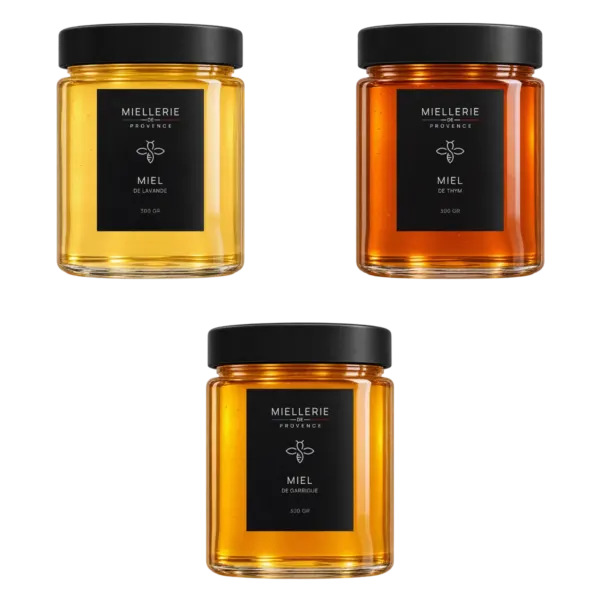
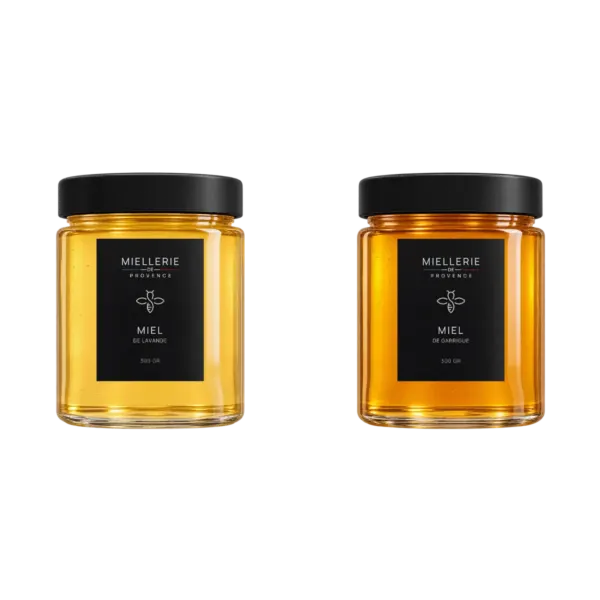
Lavender honey also features in our honey gift sets: the lavender and garrigue duo at €26 and the discovery box of lavender, thyme and garrigue at €39. Looking for a present? Our guide which honey to give will help you choose.
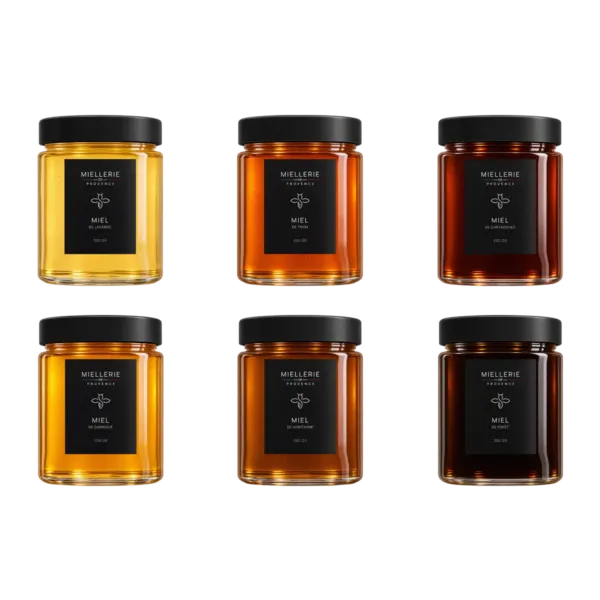
Because it is pure, with no blending and no added sugar, cold-extracted and never pasteurised: a raw honey, just as the bees made it. Our page on raw, unpasteurised honey explains why we refuse any heating, and our page on the honey terroirs of Provence shows where our six honeys come from. If you like more aromatic honeys, try garrigue honey, rounder and more herbal.
Keep the jar closed at room temperature, away from light and moisture; there is no need for the fridge. The creamy crystallisation of lavender honey is natural and has no effect on its quality, as we explain in why honey crystallises. To make it runnier, a gentle bain-marie below 40 °C is all it takes.
In Provençal tradition, lavender honey inherits the calming properties of the plant: it is valued for encouraging relaxation in an evening herbal tea, it is one of the honeys recommended for a cough or an irritated throat, and it is traditionally used to soothe minor burns. As a pale honey it contains fewer minerals than dark honeys, and it remains a sweet food, to be enjoyed with pleasure and in moderation.
A gentle, rounded and very floral taste, with fruity notes and a light acidity on the finish. It is a delicate honey, never harsh, that the whole family enjoys.
Because it naturally crystallises quickly, into very fine crystals. This creamy texture is the sign of an unheated honey, not of anything added. A gentle bain-marie below 40 °C makes it runnier if you prefer.
Lavandin is a natural hybrid of true lavender and spike lavender, more productive and widely grown on the plateaux. The two plants often grow side by side and give a similar honey: much of the honey sold as lavender honey actually comes from lavandin, or from both blooms.
Our lavender honey harvested in Provence costs €15 per 300 g jar, or €50 per kilo, with 5% off from 3 jars, 10% off from 6 and 15% off from 12. Delivery is free within France from €50.
Its gentleness makes it one of children’s favourite honeys, but only from the age of one: no honey should ever be given to a baby under 12 months, because of the risk of infant botulism. Our article honey and children: from what age will guide you.
Lavender, thyme, garrigue: the Provençal trio
Six terroirs, lightest to darkest
Louis Roux (verified owner) –
Miel savoureux et bien équilibré.
Camille Dupont (verified owner) –
Saveur douce et persistante.
Nicolas Perrin (verified owner) –
Miel équilibré avec une vraie identité.
Paul Perrin (verified owner) –
Produit de terroir très bien maîtrisé.
Louis Fontaine (verified owner) –
Un miel délicat avec une belle longueur en bouche.
Manon Fontaine (verified owner) –
Produit artisanal de confiance.
Paul Martin (verified owner) –
Excellente qualité constante.
Marie Martin (verified owner) –
Goût franc et agréable.
Lucas Perrin (verified owner) –
Miel délicat et harmonieux.
Hugo Andre (verified owner) –
Un miel raffiné et naturel.
Antoine Roux (verified owner) –
Produit constant et de confiance.
Emma Girard (verified owner) –
Un miel artisanal comme on les aime.
Emma Renaud (verified owner) –
Très bonne surprise gustative.
Emma Chevalier (verified owner) –
Un produit simple et très bien réalisé.
Nicolas Lambert (verified owner) –
Très satisfait de la qualité.
Nicolas Renaud (verified owner) –
Miel fin aux notes florales agréables.
Julien Boyer (verified owner) –
Miel élégant et bien travaillé.
Thomas Lefèvre (verified owner) –
Belle découverte, produit sérieux.
Julie Petit (verified owner) –
Goût naturel et texture parfaite.
Maxime Durand (verified owner) –
Saveur authentique et agréable.