

Chestnut Honey
€15.00 (€50.00 / kg)
Net weight: 300 g · Origin: France (Provence) · Glass jar · Best-before date on the jar
A bold, woody, slightly tannic chestnut honey, among the honeys richest in minerals and antioxidants.
Woody, tannic, slightly bitter
- Sweetness
- 1 out of 5
- Intensity
- 5 out of 5
- Texture
- Stays liquid
- Pairs with
- Cheese, toast, marinades
- Dispatched within 2 to 3 working days from Aix-en-Provence
- Delivery €7 in France (€14 in Europe), free from €50
- Secure payment: card, Apple Pay, Google Pay
- 14 days to change your mind (unopened jars)
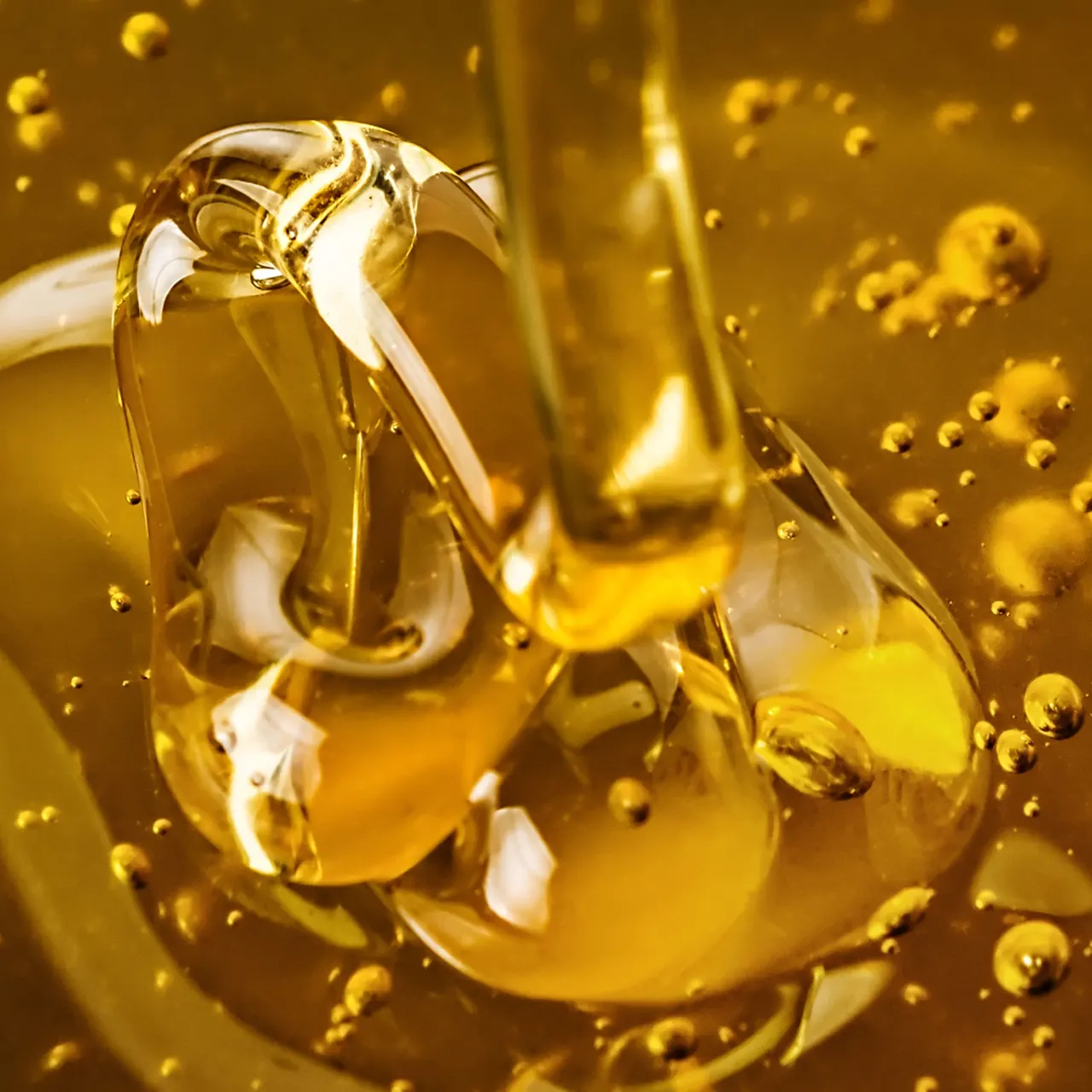
The terroir of chestnut honey
The Maures massif
Chestnut does not grow on limestone. It is found on the siliceous soils of the Maures, where it flowers in June and July: a dark, woody, slightly tannic honey.
All terroirsDescription
Chestnut honey is the favourite of those who love honeys with character. Bold, woody and slightly tannic, it is also one of the honeys richest in minerals and antioxidants. Ours is harvested in the chestnut groves in early summer, then jarred without pasteurisation to preserve its distinctive character in full.
A tree honey with a strong character
The chestnut tree flowers in June and July: its long cream catkins produce abundant nectar and honeydew, which the bees turn into a dark, powerful honey. The harvest plays out over a few weeks, and the result is like no other honey: it is France’s great ‘honey of character’, the very opposite of the gentleness of a lavender honey.
Colour, texture and flavour
A dark brown colour with mahogany glints, and a texture that stays liquid for a long time (chestnut honey crystallises slowly, which is normal for this fructose-rich honey). On the palate: a woody attack, notes of undergrowth and tannin, a slight, noble bitterness on the finish and great length. A honey to be savoured like a grand cru.
The benefits of chestnut honey
Chestnut honey is regularly cited among the most nutritionally interesting honeys:
- one of the honeys richest in minerals: potassium, magnesium, manganese (dark honeys contain markedly more than light ones);
- very rich in antioxidants: its dark colour reflects a high polyphenol content;
- traditional support for circulation: this is the historical use associated with it in French herbalism;
- high sweetening power: rich in fructose, it sweetens more for the same quantity, which is handy for replacing refined sugar.
Our dedicated article on the benefits of chestnut honey explores the subject further.
How to enjoy it
This is the honey for bold pairings: toasted country bread, mature cheeses (delicious with a tomme or a blue cheese), pain d’épices, meat marinades, or simply stirred into a yoghurt to lift it. Its power holds up perfectly in cooking. Find our ideas in the Recipes section.
Why choose our chestnut honey?
Because it is harvested in Provence, cold-extracted and jarred without blending or pasteurisation in our workshop in Aix-en-Provence. You get the true character of chestnut, not a standardised flavour. See also all our honeys.
Storage
Like all our honeys: several years at room temperature, away from light. Its very slow crystallisation is a natural characteristic of chestnut honey. Everything you need to know: does honey go off?
Further reading
Why our honeys are never pasteurised, where exactly they come from (the honey terroirs of Provence), and which honey to give to whom.
Frequently asked questions
What does chestnut honey taste like?
A bold, woody flavour, with notes of undergrowth, a slight, elegant bitterness and great length on the palate. It is the honey of character par excellence.
What are the benefits of chestnut honey?
It is one of the honeys richest in minerals (potassium, magnesium) and antioxidants. It is traditionally associated with supporting circulation and makes an excellent substitute for sugar thanks to its strong sweetening power.
Why does chestnut honey stay liquid?
Its high fructose content greatly slows crystallisation: it can stay liquid for many months. This is a natural property of this honey, not a sign of heating.
Is chestnut honey bitter?
It has a slight, noble bitterness on the finish, which is part of its character and which connoisseurs look for. It remains discreet: this is a powerful honey, but a balanced one.
How to enjoy chestnut honey
Cheese, toast, marinades.
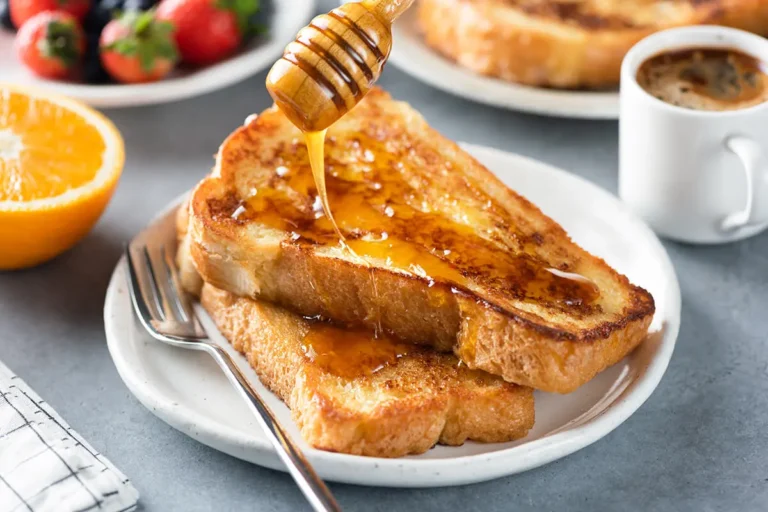
At breakfast
On toast, yoghurt or crêpes: the honey as it is, at room temperature.

In herbal tea
Stirred in off the heat, once the drink is warm rather than hot, to keep its aromas.

In cooking
To glaze poultry, deglaze roast vegetables or lift a goat’s cheese.
12 avis · verified purchases, reviews written in French
12 reviews
You may also like…
-
Gift boxes
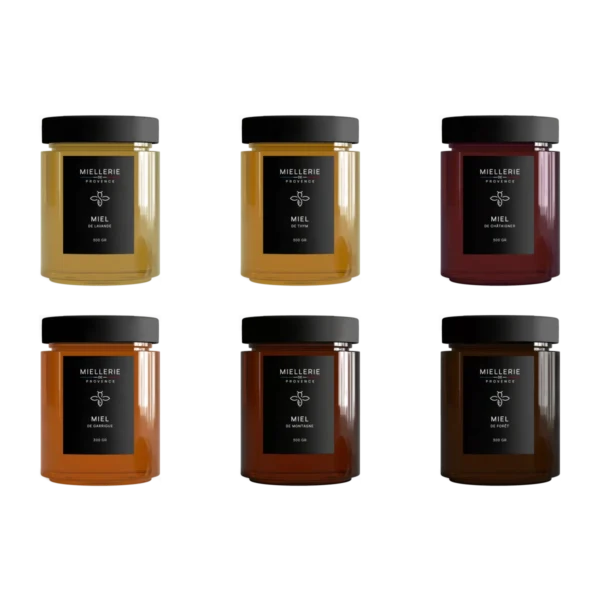
The Complete Collection: all six honeys (6 × 300 g)
Six terroirs, lightest to darkest
€75.00 (€41.67 / kg) -
Gift boxes
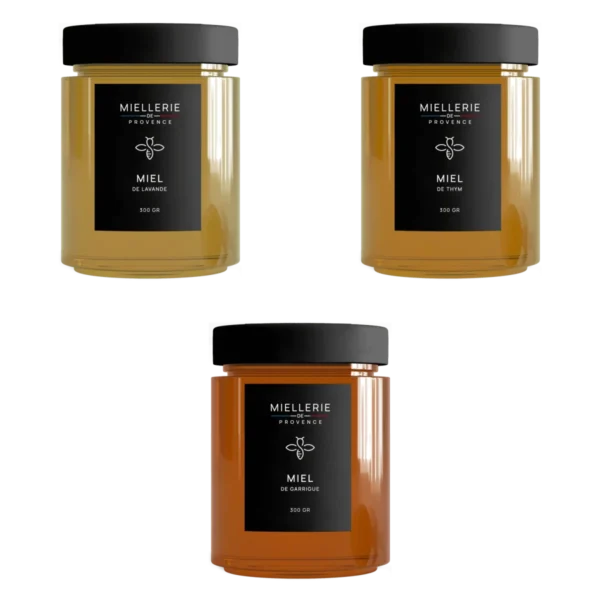
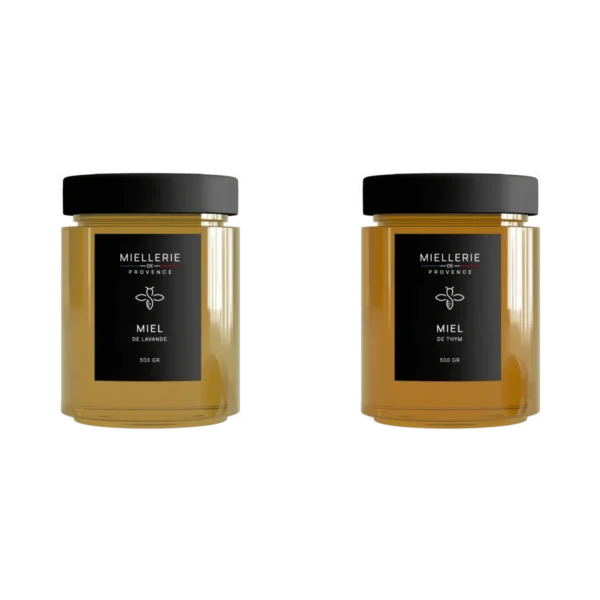
Discovery Box: Lavender, Thyme, Garrigue (3 × 300 g)
Lavender, thyme, garrigue: the Provençal trio
€39.00 (€43.33 / kg)


Marie Dupont (verified owner) –
Miel doux et parfumé, très agréable au quotidien.
Louis Dupont (verified owner) –
Goût franc et agréable.
Camille Moreau (verified owner) –
Miel soigné, idéal pour les amateurs de bons produits.
Thomas Mercier (verified owner) –
Excellent produit, parfaitement équilibré.
Louis Chevalier (verified owner) –
Très bon miel, fin et savoureux.
Chloé Boyer (verified owner) –
Saveur pure et naturelle, sans excès.
Sophie Lefèvre (verified owner) –
Texture fluide et goût authentique.
Alexandre Petit (verified owner) –
Arômes subtils et goût bien maîtrisé.
Emma Roux (verified owner) –
Miel élégant et bien travaillé.
Marie Moreau (verified owner) –
Très belle qualité, je recommande sans hesiter.
Paul Moreau (verified owner) –
Un miel artisanal comme on les aime.
Nicolas Boyer (verified owner) –
Produit premium, fidèle à son origine.