
Artisanal Honey: How to Recognise It, What It Costs, Where to Buy It
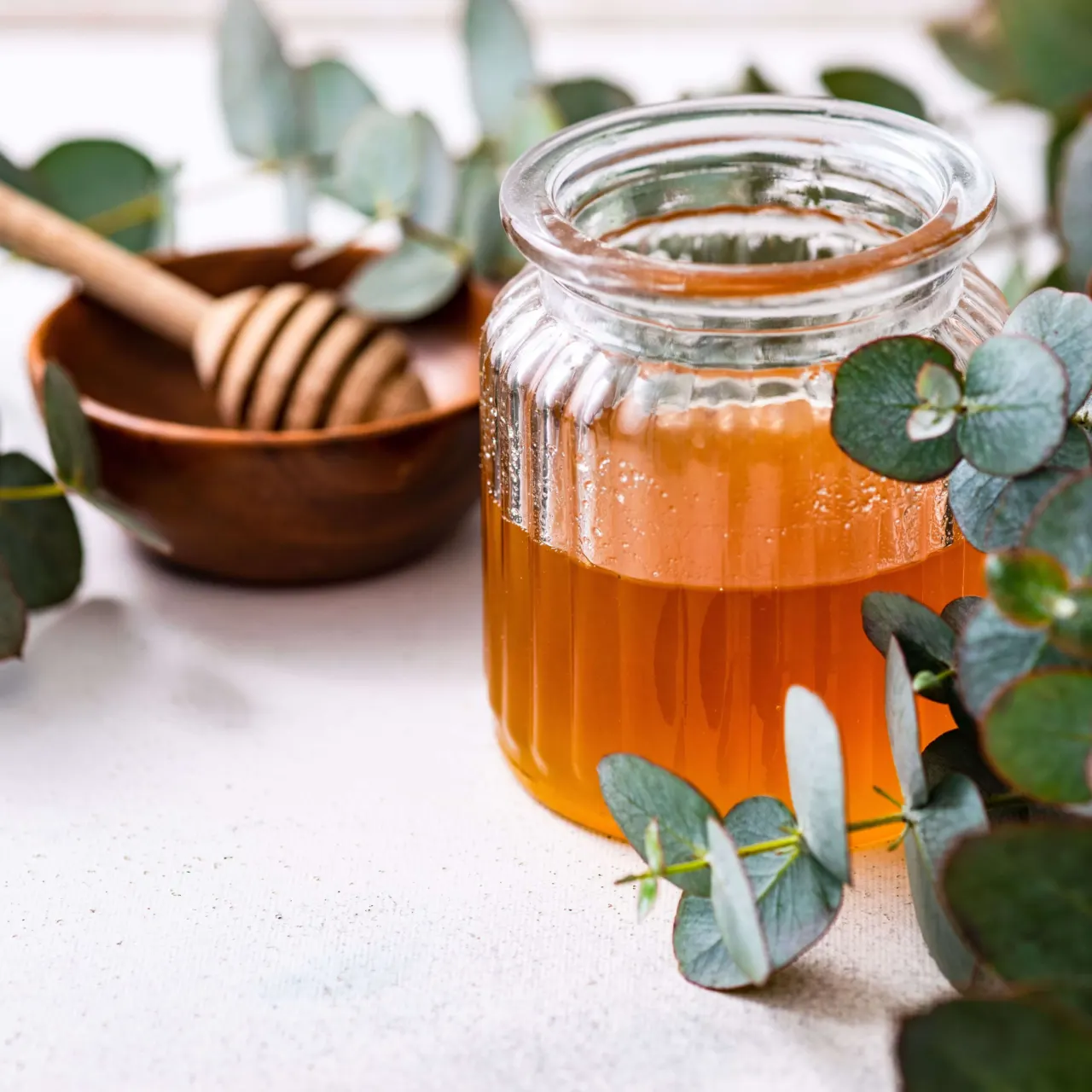
An artisanal honey is a honey harvested by a beekeeper on a small scale, cold-extracted, jarred without heating or blending, and whose origin can be named: a terroir, a flowering, a year. The word is not regulated, so here is how to recognise it, what it really costs, and where to buy it without being misled.
What “artisanal honey” means, and what it does not guarantee
In France, the word “artisanal” is not governed by any official specification where honey is concerned. A supermarket jar can display it. What really sets an artisanal honey apart is a short, transparent chain: an identifiable beekeeper, hives whose location is known, a harvest at maturity, cold mechanical extraction, settling, coarse straining and jarring without pasteurisation. An industrial honey, by contrast, is often a blend of honeys from several countries, heated to stay runny and finely filtered to look crystal clear.
The 6 signs of a genuine artisanal honey
- A precise origin on the label. “Origin: France” is the minimum; a terroir or a village is better. “Blend of EU and non-EU honeys” signals an industrial blend.
- A named flowering or type. Lavender, thyme, chestnut, garrigue: an artisanal honey introduces itself by what the bees have foraged on.
- Natural crystallisation. All raw honeys eventually crystallise, some faster than others. A honey that stays runny for years has almost always been heated. We explain why in why honey crystallises.
- A clean scent when you open the jar, and a taste that evolves. Heating drives off the volatile aromas; a pasteurised honey tastes flat, simply sweet.
- A slight cloudiness or fine particles: pollen and wax, which industrial fine filtering removes.
- A seller who answers questions: who harvested it, where, when. A serious beekeeper or honey selector will gladly tell you.
To go further, our guide how to recognise a quality honey explains labels and quality marks in detail.
How much does artisanal honey cost?
A French artisanal honey generally sells for between €25 and €60 per kilo, depending on the flowering and its rarity. Monofloral honeys harvested in Provence (lavender, thyme) sit at the top of the range; polyfloral honeys (garrigue, mountain, forest) a little lower. Below €15 per kilo, it is almost always an imported blend. Our honeys cost €13 and €15 per 300 g jar, which is €43 to €50 per kilo: the price of a honey harvested in Provence, unpasteurised, in small batches.
| Type | Price per kilo observed | What it signals |
|---|---|---|
| EU / non-EU blend in a supermarket | €6 to €12 | Blended, heated, vague origin |
| French polyfloral honey | €18 to €35 | Beekeeper or cooperative, often raw |
| Terroir monofloral honey (lavender, thyme) | €35 to €60 | Short harvest, rarity, the beekeeper’s work |
Where can you buy artisanal honey?
Directly from the beekeeper, at farmers’ markets, in delicatessens that name their suppliers, or online from a producer or selector who publishes the origin of each honey. Be wary of websites selling dozens of honeys “from every country” at the same price: that is the hallmark of a wholesaler.
With us, each jar comes from a partner beekeeper based in Provence, is raw and unpasteurised, and we state the terroir of each honey on our terroirs page. To discover them, the discovery box brings together lavender, thyme and garrigue.
Artisanal, organic, raw: not to be confused
Artisanal describes the way a honey is produced and sold (small scale, short chain). Organic is an inspected label covering the hives’ surroundings and the treatments used. Raw, or unpasteurised, describes the absence of heating after harvest. A honey can be artisanal and raw without being organic: that is the case with ours.
Frequently asked questions
Does artisanal honey keep for less time?
No. Harvested at maturity, a raw honey keeps for several years at room temperature, away from light. Crystallisation changes neither its taste nor its quality.
Why do two jars of the same artisanal honey not taste the same?
Because a honey is the result of a particular year: weather, flowering, the location of the hives. This is normal, and it is even a sign that it has not been standardised by blending.
Can an artisanal honey be runny?
Yes, just after harvest, and for a long time in the case of honeys rich in fructose such as chestnut or forest honey. A gentle bain-marie, below 40 °C, will liquefy a crystallised jar without damaging it.
How can you check where a honey comes from?
The label must state the country of harvest. Beyond that, laboratory pollen analysis confirms the flowering and the geographical area: this is why the pollen that fine filtering removes is so important.