
In the morning
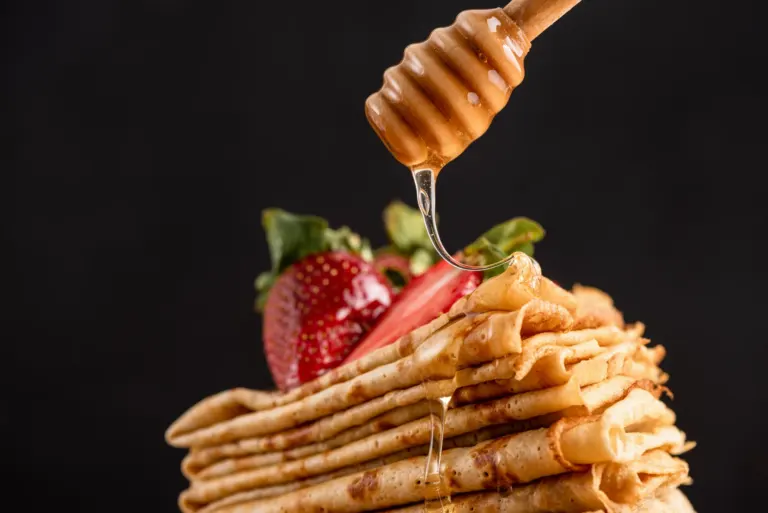
On toast, pancakes or porridge: an everyday honey, fruity and rounded.
PolyfloralHarvested in Provence
€13.00 (€43.33 / kg)
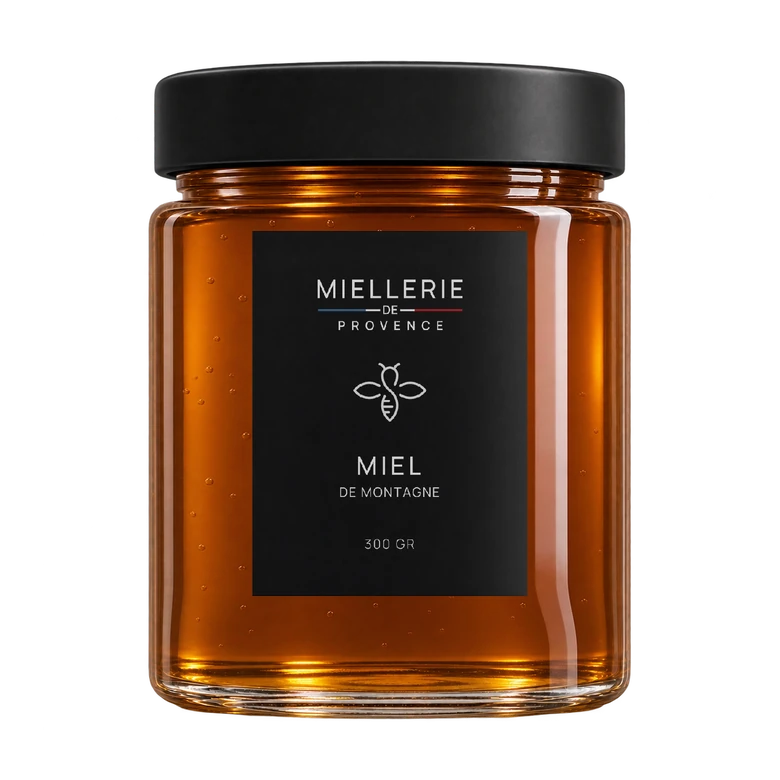
A raw multifloral mountain honey from the high-altitude wild flowers of Haute-Provence, known for its richness in nutrients: perfect on toast, in herbal teas and in cooking.
Fruity, complex, high-altitude flowers
Order today, estimated delivery in France between Friday 13 November and Tuesday 17 November
Shipped within 2 to 3 working days from Aix-en-Provence. Free delivery from €50 (4 jars of this honey).
Delivered before Christmas for orders placed by Tuesday 15 December
Card, Apple Pay, Google Pay · 14 days to change your mind
Tasting notes
Just like a wine: its colour, its aromas, then how it unfolds on the palate, from first impression to finish.
01
Amber to brown, depending on the year
02
03
Crystallisation
Stays runnyTurns creamyMedium: thick, then creamy. This is natural, and the sign of a honey that was never heated.
Its terroir
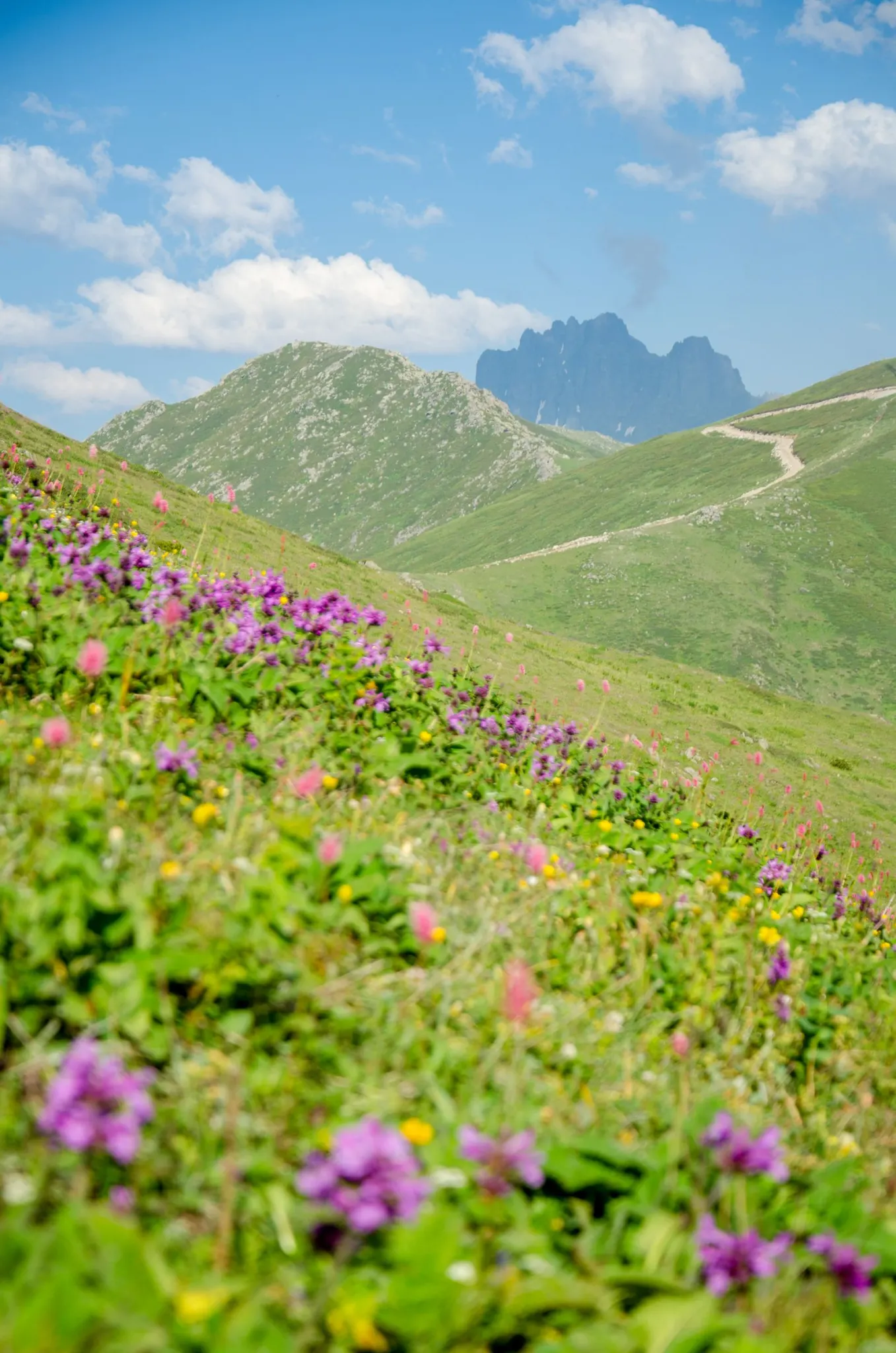
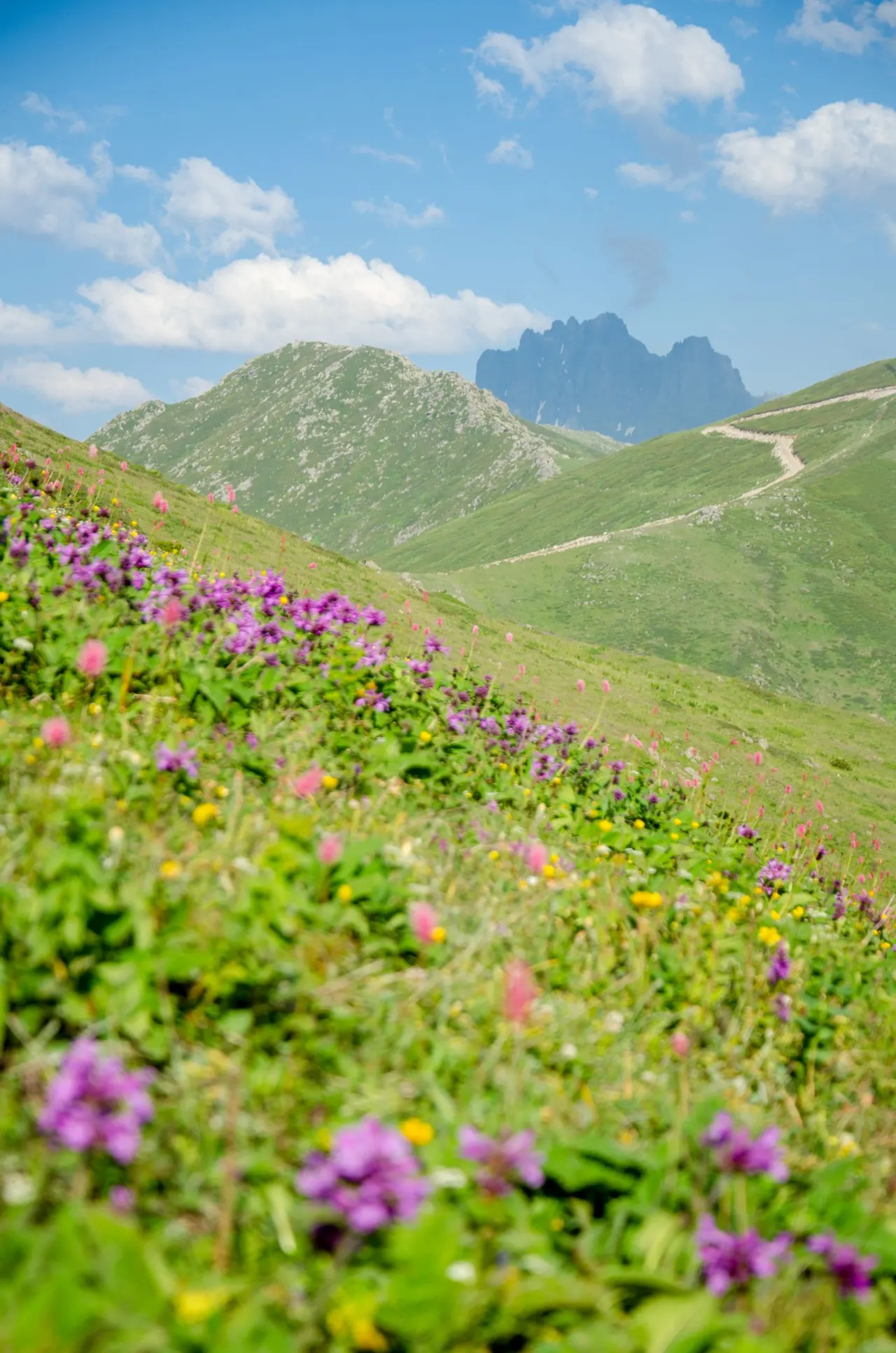
Above 1,000 metres, the meadows bloom late and briefly. A fruity high-altitude polyfloral honey whose colour changes from year to year.
Its year
FloweringHarvest
From hive to jar
Our partner beekeepers set their hives as close to the flowers as possible, for the length of the honey flow.
The honey is spun from the frames without heating, so its aromas, enzymes and pollen stay intact.
One honey, one terroir: no blending of origins, no added sugar, no pasteurisation.
In a 300 g glass jar, then shipped from Aix-en-Provence within 2 to 3 working days.
Enjoying it
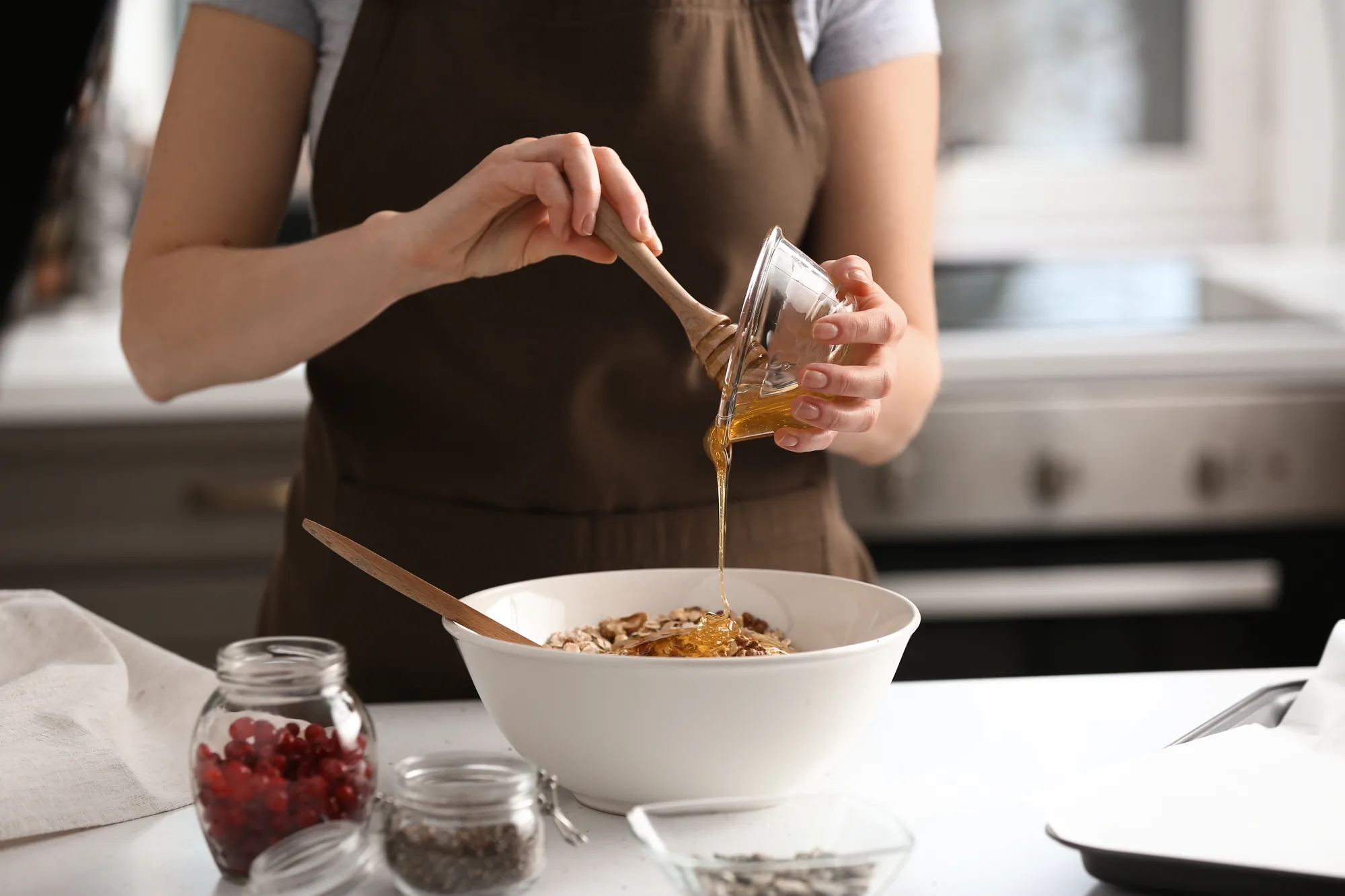
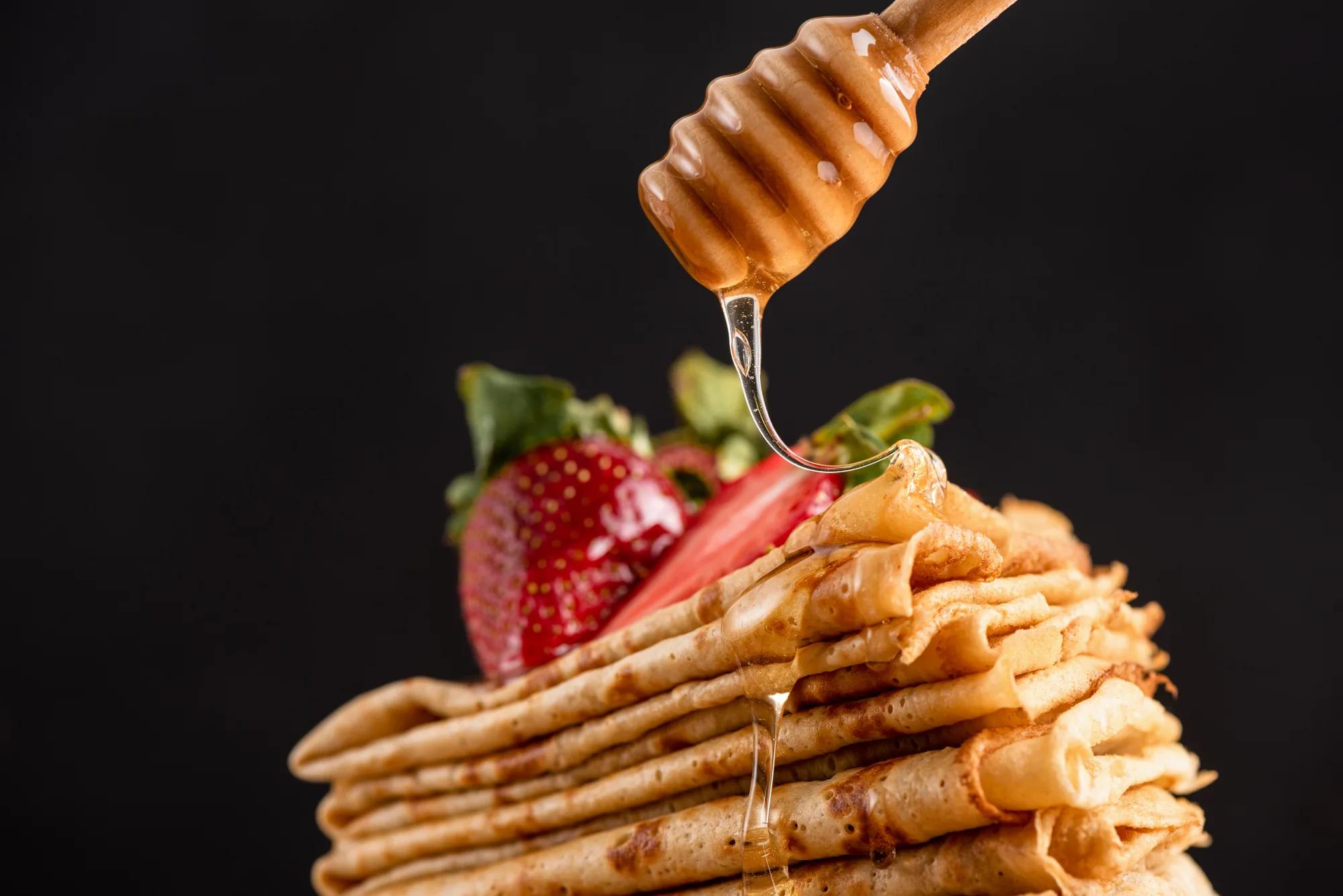
On toast, pancakes or porridge: an everyday honey, fruity and rounded.
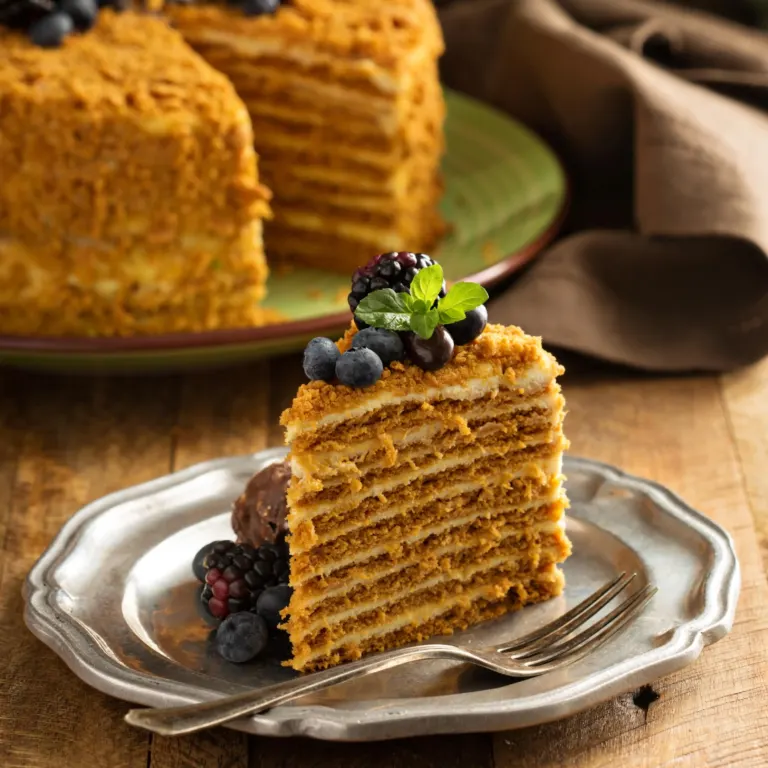
To sweeten a crêpe batter, a honey cake or pancakes.
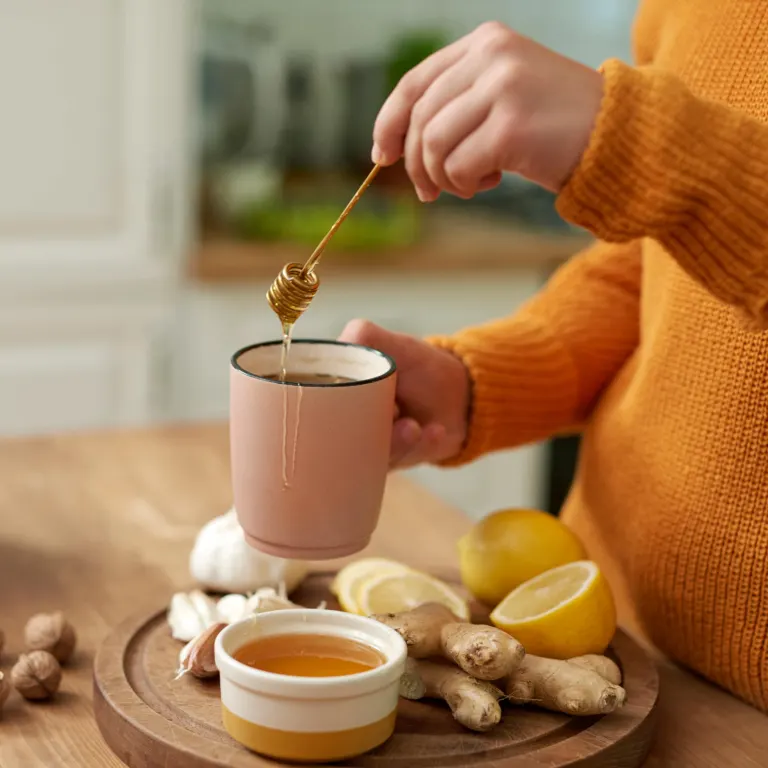
In a warm infusion, for a sweetness with meadow aromas.
Cook with this honey
16 reviews · verified purchases
Mountain honey is a multifloral honey gathered from high-altitude wild flowers: amber, fruity and complex, it sits between the gentleness of lavender honey and the power of chestnut honey. It is particularly valued for its benefits and its richness in trace elements. The one we select comes from the hills and mountains of Haute-Provence, harvested by partner beekeepers and never pasteurised. It is an everyday raw honey the whole household enjoys, at €13 for a 300 g jar.
Mountain honey does not come from a single plant: it is a multifloral honey, made from the nectar of many wild flowers growing at altitude. Depending on the year and the site, the bees may forage on clover, raspberry, bramble, rosebay willowherb or wild thyme, in meadows, woodland edges and undergrowth far from large-scale farming. Each harvest is therefore a little unique, reflecting the flora of that year and place. To understand how it differs from a single-flower honey, read our article on monofloral and multifloral honey.
In Provence, only a few dozen kilometres separate the sea from the first mountains, and each altitude band flowers in its own time. Above 1,000 m, in the Préalpes, meadows, woodland edges and undergrowth bloom in high summer, well after the hills. Mountain honey is therefore harvested at the end of the season, after spring thyme and the lavender of the plateaux. After extraction and a few days’ rest, it usually reaches the jar in autumn. Our month-by-month honey harvest calendar for Provence explains this rhythm in detail.
Depending on the harvest, its colour ranges from amber to a deeper brown. Its flavour is intense and complex: a fruity, floral base, woodier or maltier notes in some years, sometimes a hint of liquorice, and no bitterness. Thick and runny after extraction, it crystallises naturally over time into a firmer texture, often fine and creamy, that spreads easily. It is a honey to savour, between the gentleness of lavender honey and the power of chestnut honey.
| Characteristic | Mountain honey |
|---|---|
| Colour | Amber to brown, depending on the harvest |
| Texture | Thick, then creamy |
| Crystallisation | Medium, natural and reversible |
| Flavour | Fruity, complex, high-altitude flowers |
| Intensity | 3 out of 5 (sweetness 3 out of 5) |
| Harvest | Late summer |
| Pairings | Toast, crêpes, yoghurt, herbal teas |
| Size | 300 g jar, €13 (€43.33/kg) |
Mountain honey is traditionally regarded as one of the most nutritionally interesting honeys, thanks to the variety of flowers it is made from:
Honey is still a sugary food, around 80 g of sugars per 100 g, to be enjoyed in moderation. It is no substitute for medical advice and must never be given to a baby under one year old.
This is the everyday honey par excellence: on toast, in yoghurt or fromage frais, in herbal teas, but also in crêpes, glazed roasts, dressings and bakes. Its full aromas hold up well in cooking without overpowering other flavours.
More ideas in our Recipes section.
Our mountain honey costs €13 for a 300 g jar, which works out at €43.33 per kilo. Prices fall as you buy more jars, across all our honeys: 5% off from 3 jars, 10% from 6 and 15% from 12. Delivery is free in France from €50, and orders are dispatched within 2 to 3 working days from Aix-en-Provence.
That is the price of a honey harvested in Provence, pure, with no blending and no added sugar, cold-extracted and never pasteurised, selected every year from partner beekeepers. When a price looks very low, check the origin on the label: a “blend of honeys” from various countries does not offer the same traceability. Our guide how to recognise a quality honey gives you the key pointers.
Because it is a raw honey, harvested in the hills and mountains of Haute-Provence and jarred in Aix-en-Provence without heating: its pollen, enzymes and aromas are preserved. It changes a little from year to year, just like the flora that produced it. For a contrast, taste it alongside our forest honey, or browse all our honeys harvested in Provence.
Several years at room temperature, away from light and moisture, with the lid tightly closed. Crystallisation is natural and reversible: a lukewarm bain-marie will make it runny again. All the answers in our article does honey go off?
Why our honeys are never pasteurised, where they come from (the honey terroirs of Provence), and which honey to give to whom. Mountain honey is also part of our six-honey collection (€75), a generous honey gift set.
It is a honey known for its richness: made from many high-altitude wild flowers, it concentrates minerals, trace elements and antioxidants, more than most pale honeys. It is traditionally used to soothe the throat and as a natural winter tonic, and enjoyed as a source of energy at breakfast.
With us, €13 for a 300 g jar (€43.33/kg), with 5% off from 3 jars, 10% from 6 and 15% from 12, across all our honeys. Delivery is free in France from €50.
Both are multifloral, but mountain honey comes from high-altitude flora, wilder and more varied than that of cultivated lowlands. The result is more complex aromas and, often, a deeper colour.
It is aromatic and long on the palate, with no bitterness: bolder than lavender honey, gentler than chestnut honey. A good balance for every use.
Because it crystallises naturally, like all raw, unpasteurised honey. Its texture becomes firmer and often fine, without any change to its flavour or qualities. See our article why honey crystallises.
Never before the age of one, because of the risk of infant botulism. After that, its balanced flavour is often popular with children, in small amounts. Our guide which honey to choose for children will help you decide.
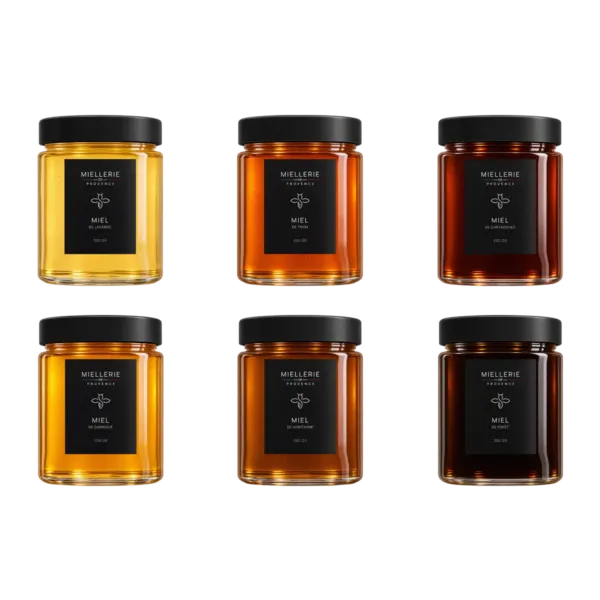
Six terroirs, lightest to darkest
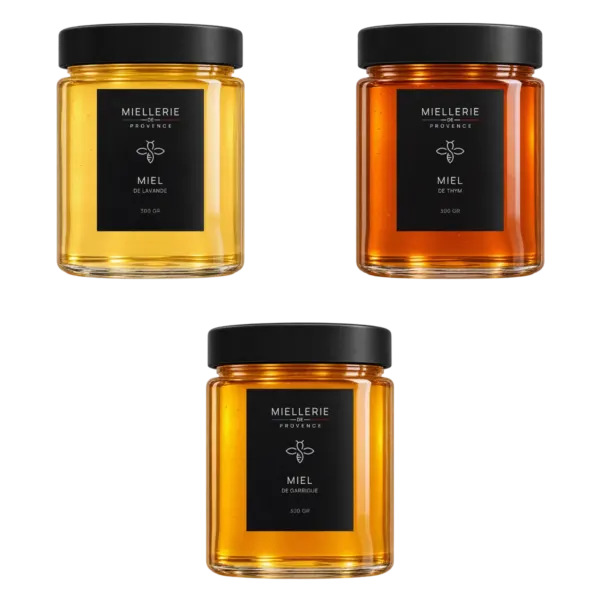
Lavender, thyme, garrigue: the Provençal trio
Manon Andre (verified owner) –
Très bonne surprise gustative.
Maxime Garnier (verified owner) –
Saveur douce et persistante.
Alexandre Lefèvre (verified owner) –
Goût naturel et texture parfaite.
Marie Andre (verified owner) –
Miel fin aux notes florales agréables.
Marie Colin (verified owner) –
Produit artisanal de confiance.
Camille Fournier (verified owner) –
Miel savoureux et bien équilibré.
Marie Chevalier (verified owner) –
Très satisfait de la qualité.
Julien Durand (verified owner) –
Miel délicat et harmonieux.
Louis Girard (verified owner) –
Saveur authentique et agréable.
Hugo Mercier (verified owner) –
Un produit simple et très bien réalisé.
Manon Lambert (verified owner) –
Un miel raffiné et naturel.
Élise Lefèvre (verified owner) –
Belle découverte, produit sérieux.
Alexandre Fontaine (verified owner) –
Produit constant et de confiance.
Lucas Roux (verified owner) –
Excellente qualité constante.
Claire Andre (verified owner) –
Produit de terroir très bien maîtrisé.
Julien Petit (verified owner) –
Miel équilibré avec une vraie identité.