

Forest Honey
€13.00 (€43.33 / kg)
Net weight: 300 g · Origin: France (Provence) · Glass jar · Best-before date on the jar
A dark, intense forest honey with woody, malty notes, made from the honeydew and nectar of trees, one of the honeys richest in minerals.
Dark, malty, hints of liquorice
- Sweetness
- 2 out of 5
- Intensity
- 4 out of 5
- Texture
- Liquid, slow-setting
- Pairs with
- Spiced bread, mature cheeses, sauces
- Dispatched within 2 to 3 working days from Aix-en-Provence
- Delivery €7 in France (€14 in Europe), free from €50
- Secure payment: card, Apple Pay, Google Pay
- 14 days to change your mind (unopened jars)

The terroir of forest honey
A honeydew honey from oak and pine forests
A honeydew honey, gathered when blossoms grow scarce: dark and malty with notes of liquorice, low in glucose and slow to crystallise.
All terroirsDescription
Forest honey is a honey apart: it comes largely from honeydew, the sweet secretion that bees collect from trees (oaks, firs, broadleaves), complemented by the nectar of bramble and woodland flowers. The result: a dark, intense, woody honey, considered one of the richest in minerals. Ours is harvested in Provence and jarred without pasteurisation.
What is forest honey?
Unlike flower honeys, forest honey is mostly a honeydew honey: the bees collect the sugary exudates found on trees and process them just as they would nectar. This way of foraging gives a honey that tastes less sweet, more mineral, with deep aromas: a family of honeys much appreciated in northern and eastern Europe, and still little known in France.
Colour, texture and flavour
A dark brown colour, almost black, with the green glints characteristic of honeydew. A thick texture and slow crystallisation. On the palate: woody, malty and brown-caramel notes, a sweetness less sugary than flower honeys and a fine length. Less bitterness than a chestnut honey, more depth than a mountain honey.
The benefits of forest honey
Forest honey is regularly highlighted for its nutritional density:
- very rich in minerals and trace elements: honeydew honeys contain markedly more potassium, iron and magnesium than nectar honeys;
- high in antioxidants: its dark colour reflects a high concentration of polyphenols;
- a winter ally: traditionally used in herbal tea to soothe the throat and help through colds. Our guide which honey for a cough? will help you choose;
- less sweet to the taste: ideal for those who want to replace refined sugar without an overwhelming sweetness.
To go further, read our article on the benefits of forest honey.
How to enjoy it
Forest honey excels at breakfast (toast, porridge), in yoghurts, and in cooking wherever you want a caramelised note: pain d’épices, marinades, glazed root vegetables, mature cheeses. Inspiration in our Recipes section.
Why choose our forest honey?
Harvested in Provence, cold-extracted, jarred without blending or heating in our workshop in Aix-en-Provence: an authentic honeydew honey, with all its original richness. See also all our honeys.
Storage
Several years at room temperature, away from light and humidity. Its slow crystallisation is natural. Everything you need to know: does honey go off?
Further reading
Why our honeys are never pasteurised, where exactly they come from (the honey terroirs of Provence), and which honey to give to whom.
Frequently asked questions
What is the difference between forest honey and flower honey?
Forest honey comes mainly from the honeydew of trees, whereas flower honeys come from nectar. It is darker, more mineral and less sweet on the palate, with woody, malty aromas.
What are the benefits of forest honey?
It is one of the honeys richest in minerals (potassium, iron, magnesium) and antioxidants. It is traditionally valued as a tonic and for soothing the throat in winter.
What does forest honey taste like?
Woody, malty and brown-caramel notes, with a measured sweetness and a fine length on the palate. A deep honey, never cloying.
Does forest honey really contain ‘honeydew’?
Yes, and that is what gives it its character: honeydew is a sugary substance produced from tree sap, which bees collect and process exactly as they would nectar. It is a 100% natural product of the hive.
How to enjoy forest honey
Spiced bread, mature cheeses, sauces.
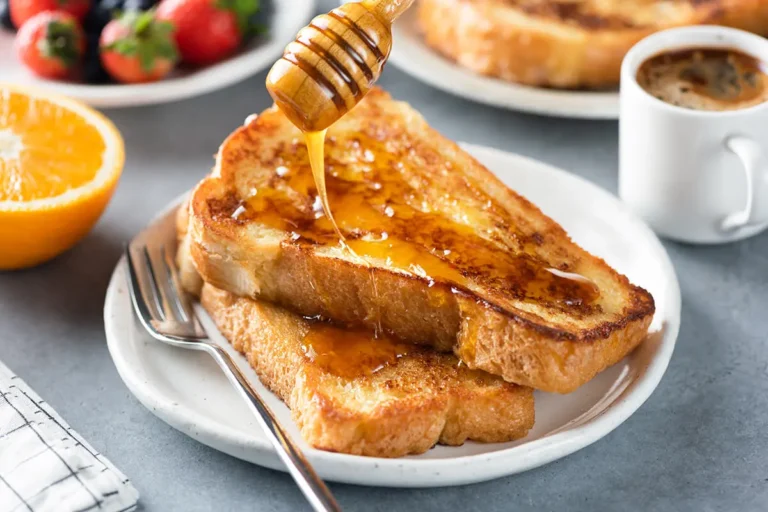
At breakfast
On toast, yoghurt or crêpes: the honey as it is, at room temperature.
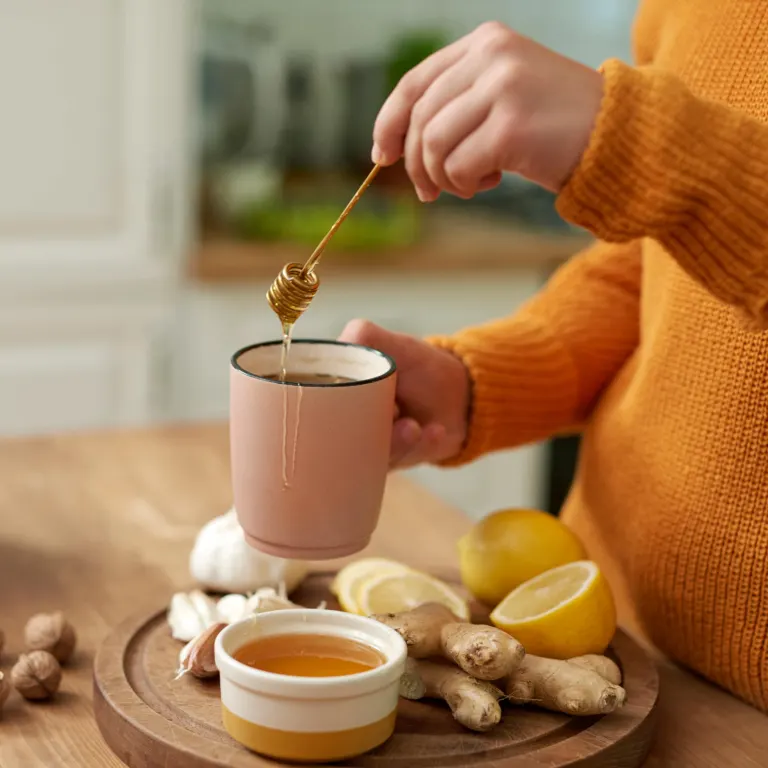
In herbal tea
Stirred in off the heat, once the drink is warm rather than hot, to keep its aromas.

In cooking
To glaze poultry, deglaze roast vegetables or lift a goat’s cheese.
11 avis · verified purchases, reviews written in French
11 reviews
You may also like…
-
Gift boxes
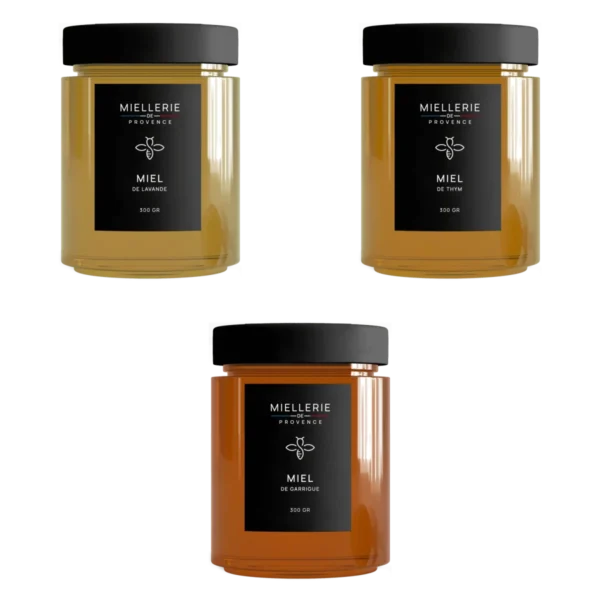
Discovery Box: Lavender, Thyme, Garrigue (3 × 300 g)
Lavender, thyme, garrigue: the Provençal trio
€39.00 (€43.33 / kg) -
Gift boxes
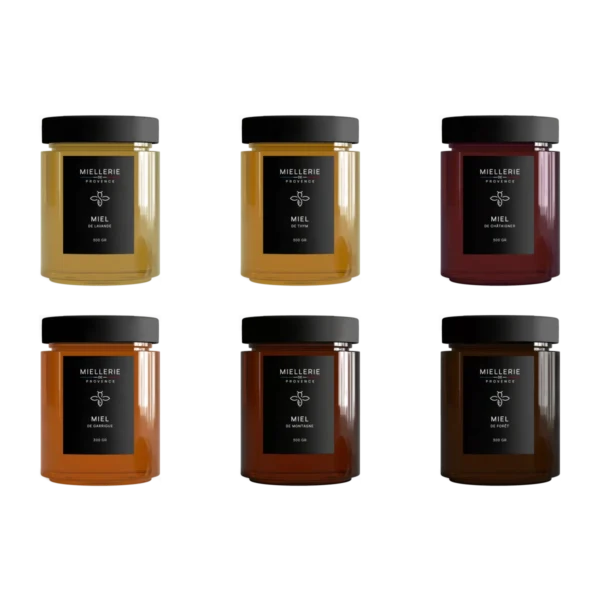
The Complete Collection: all six honeys (6 × 300 g)
Six terroirs, lightest to darkest
€75.00 (€41.67 / kg)


Camille Andre (verified owner) –
Un miel délicat avec une belle longueur en bouche.
Chloé Moreau (verified owner) –
Excellent produit, parfaitement équilibré.
Julie Fontaine (verified owner) –
Saveur très naturelle, on sent la qualité artisanale.
Élise Dupont (verified owner) –
Produit premium, fidèle à son origine.
Maxime Colin (verified owner) –
Texture fluide et goût authentique.
Thomas Durand (verified owner) –
Miel soigné, idéal pour les amateurs de bons produits.
Julien Andre (verified owner) –
Très belle qualité, je recommande sans hesiter.
Élise Lambert (verified owner) –
Saveur pure et naturelle, sans excès.
Marie Lefèvre (verified owner) –
Arômes subtils et goût bien maîtrisé.
Alexandre Durand (verified owner) –
Miel doux et parfumé, très agréable au quotidien.
Marie Garnier (verified owner) –
Très bon miel, fin et savoureux.