
Lavender Honey: Benefits, Qualities and Uses
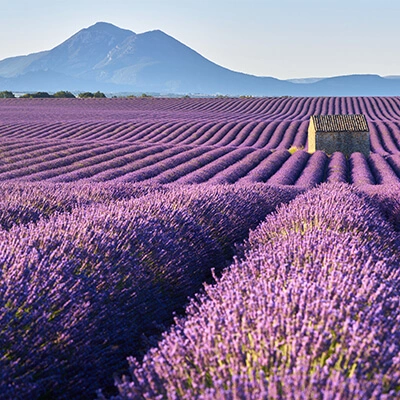
Mild, floral, creamy: lavender honey is one of the best-loved honeys of Provence. Behind its delicate taste also lie traditional benefits, inherited from a plant that Mediterranean tradition has used for centuries to soothe. Sleep, throat, skin: here are the virtues of lavender honey, and the best ways to enjoy it.
Lavender honey’s benefits at a glance
- A soothing honey, traditionally associated with relaxation and sleep
- A classic for soothing the throat, popular with children over one year old for its mildness
- A traditional use on chapped lips
- A floral fragrance that comes from the aromatic compounds of lavender
- The ultimate pleasure honey: it wins everyone over to terroir honeys
Where do the qualities of lavender honey come from?
Lavender (and its cousin lavandin) belongs to the mint family, the Lamiaceae, and is rich in aromatic compounds (linalool and linalyl acetate above all) known for their fragrance and traditionally associated with relaxation. By foraging on its flowers in the height of the Provençal summer, bees pass on mainly its fragrance to their honey. Lavender honey does not have the properties of the essential oil, but it shares the qualities common to all raw honeys: enzymes, a softening effect on the throat, natural sugars that are quickly absorbed.
It is this double origin (a plant associated with relaxation and an exceptionally mild honey) that explains the special place of lavender honey in Provençal tradition.
The main benefits of lavender honey
1. A relaxing evening ritual
This is the Provençal evening ritual: a spoonful of lavender honey in a warm herbal tea (lemon verbena, camomile) before bed. Lavender is the relaxation plant par excellence, and its honey carries on in the same spirit, a delicious alternative to the evening sweets that wind you up rather than down.
2. Soothing the throat, gently
Along with thyme honey, lavender honey is one of the honeys traditionally recommended for the throat: its protective coating calms irritation, and its mild taste means children accept it without negotiation. Our guide which honey for a cough? helps you choose between the two depending on the symptoms, and our dedicated article covers honey for children’s coughs.
3. A traditional use on chapped lips
Lavender honey is traditionally applied in a thin layer to chapped lips and small cracks in the skin. The honeys used in hospitals are sterilised medical-grade honeys, specially prepared: a table honey is no substitute for them. For any burn or wound, ask a health professional for advice.
4. Caring for your skin
Soft and moisturising, it lends itself well to home-made beauty recipes: face masks, lip balms. Find our 3 home-made honey face masks and our honey secrets for radiant skin.
5. Everyday sweetening
Its rounded, floral taste makes it the ideal table honey: yoghurts, toast, desserts, drinks. A lovely way to replace refined sugar without upsetting delicate palates.
How should you use lavender honey?
- In the evening: a spoonful in a warm (never boiling) herbal tea for a relaxing ritual;
- At breakfast: on toast, with fromage blanc, in porridge;
- In cooking: panna cotta, warm goat’s cheese, roast chicken, creamy desserts; see our honey recipes;
- In home skincare: in a thin layer on chapped lips.
As with all honeys: never before 12 months (risk of infant botulism); if you have diabetes, ask your doctor for advice.
How can you recognise genuine lavender honey harvested in Provence?
Genuine lavender honey is pale, from blond to ivory, and crystallises finely into a creamy texture. This is its natural signature, the sign of a honey that has not been heated. Be wary of “lavender” honeys that have stayed perfectly runny for years or carry an abnormally low price: the real Provençal harvest is limited and takes place right beside the flowering fields, as we explain in lavender honey in Provence: where to find the best harvests?
The one we select is harvested in Provence by partner beekeepers during the flowering season, cold-extracted and never pasteurised: discover our lavender honey harvested in Provence and our tips for recognising a quality honey.
Frequently asked questions
What are the benefits of lavender honey?
Mild and soothing, it is traditionally associated with winding down in the evening and used to soothe irritated throats. Above all, it inherits the fragrance of lavender; for any health question, ask your doctor.
Is lavender honey good for sleep?
That is its traditional use: a spoonful in a warm herbal tea in the evening. Lavender is the plant of relaxation, and this gentle ritual makes a welcome alternative to evening sweets.
Is lavender honey good for your skin?
Yes, it is one of the favourite honeys for home-made beauty recipes: soft and moisturising, it is used in face masks or lip balms. Do not apply it to a burn or a wound without medical advice.
What is the difference between lavender honey and lavandin honey?
Lavandin is a more productive hybrid of lavender; the two honeys are very similar, with true lavender honey being slightly more delicate and rarer. In Provence, the two flowerings often sit side by side in the same honey flows.