
Which Honey Should You Choose for a Child’s Cough?
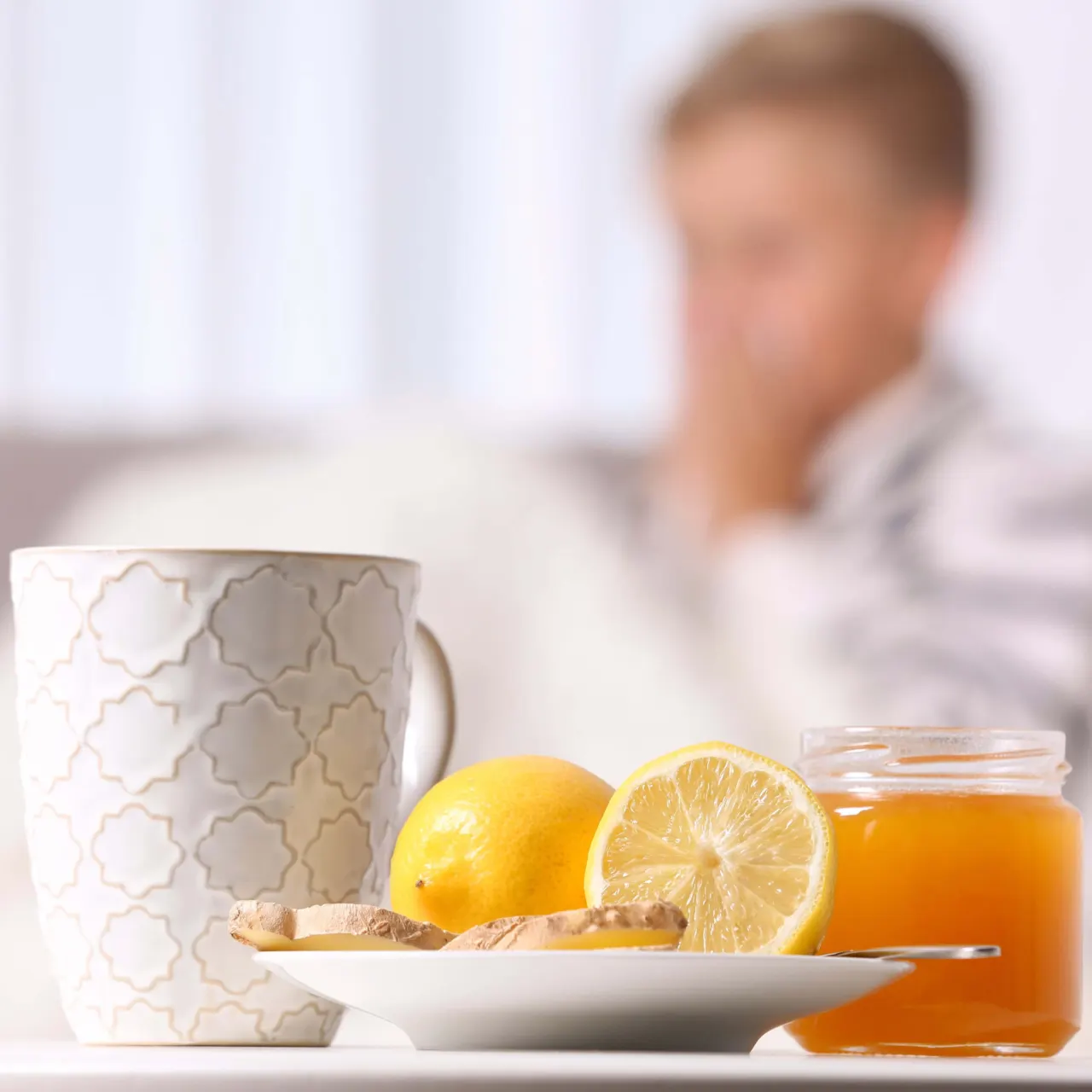
Good news for parents: from the age of one, honey is one of the most effective cough remedies for a child: studies compare it favourably with certain syrups, and the WHO recognises it as a treatment option. The absolute rule: never before 12 months (risk of infant botulism). Here is which honeys to choose, in what amount, and how to give them to calm your child’s cough.
Summary
- No honey before the age of one, in any form, even cooked.
- After one year: half a teaspoon, once or twice a day, especially before bedtime.
- Mild honeys (lavender) are the most readily accepted; thyme honey is the most active, diluted in a herbal tea.
- Choose a raw, unpasteurised honey with a precise origin.
- A cough that lasts more than a few days, fever, difficulty breathing: see a doctor.
Why honey works so well on children’s coughs
The mechanism is simple and immediate: honey’s syrupy texture coats the irritated throat with a protective film that calms the tickle, and with it the urge to cough. Added to this are honey’s natural antibacterial properties, which help the throat recover.
This double effect is particularly useful at night: a small dose at bedtime reduces night-time coughing fits and helps the whole family sleep. It is exactly what paediatricians look for with the ordinary coughs of winter: relief without unnecessary medicine.

Which honey should you choose for a child with a cough?
- Lavender honey: children’s favourite. Mild, floral, never harsh. It goes down easily, even with the fussiest children. It is also a traditionally soothing honey: perfect for the bedtime ritual;
- Thyme honey: the most active. Its antiseptic thymol makes it the benchmark honey for coughs, but its powerful taste can surprise a young palate: dilute it in a lukewarm herbal tea or in warm (not boiling) milk;
- Mountain honey: the tasty compromise. More character than lavender, less than thyme, and aromas that children enjoy.
Whatever you choose, a raw, unpasteurised honey keeps its active enzymes. That is the case with all our honeys harvested in Provence. The complete guide for adults is here: which honey for a cough?
Amounts and ways of giving honey, by age
| Age | Honey | Amount |
|---|---|---|
| Under 12 months | FORBIDDEN | None: risk of infant botulism |
| 1 to 5 years | Lavender, mountain | ½ teaspoon, 1 to 2 times a day |
| 6 years and over | All, thyme recommended | 1 teaspoon, twice a day |
Three ways to give honey:
- By the spoonful, left to melt slowly in the mouth: the most effective way, especially at bedtime;
- In a lukewarm drink: thyme or chamomile tea, warm milk (never boiling), to preserve the honey’s properties;
- On a slice of bread or in a yoghurt, if your child refuses the spoon.
Why never before the age of one? Infant botulism
Honey, even when perfectly wholesome, can contain spores of the bacterium Clostridium botulinum. In adults and children over one, the gut flora neutralises them without any problem. In babies, whose digestive system is still immature, these spores can germinate and release a dangerous toxin. Cooking does not destroy the spores: no honey, in any form, before 12 months. After the age of one, this risk no longer applies.
For everything to do with honey and young children (allergies, quantities, varieties), see our article which honey should you choose for children?
When honey is not enough: the warning signs
Honey relieves the ordinary coughs that come with colds. See a doctor if:
- the cough lasts more than a few days or gets worse;
- it comes with a high or persistent fever;
- your child is breathing fast, wheezing or having difficulty breathing;
- they are very tired, or refuse to drink or eat.
And for coughs linked to air that is too dry: humidify the bedroom and offer drinks often. Honey works better on a well-hydrated throat.
Frequently asked questions
From what age can you give honey to a child with a cough?
From 12 full months. Before that, honey is strictly forbidden in all its forms because of the risk of infant botulism.
Which honey is best for a child with a cough?
Lavender honey for its mildness (ideal from 1 to 5 years), thyme honey for its effectiveness (to be diluted, preferably from age 6), and mountain honey as a tasty compromise.
How much honey should you give a child?
Half a teaspoon once or twice a day between 1 and 5 years; one teaspoon twice a day from age 6, especially at bedtime.
Is honey more effective than a cough syrup?
For the ordinary coughs that come with colds, studies have shown that honey does at least as well as certain over-the-counter cough suppressants, without their side effects. It does not replace medical advice if the cough persists.