
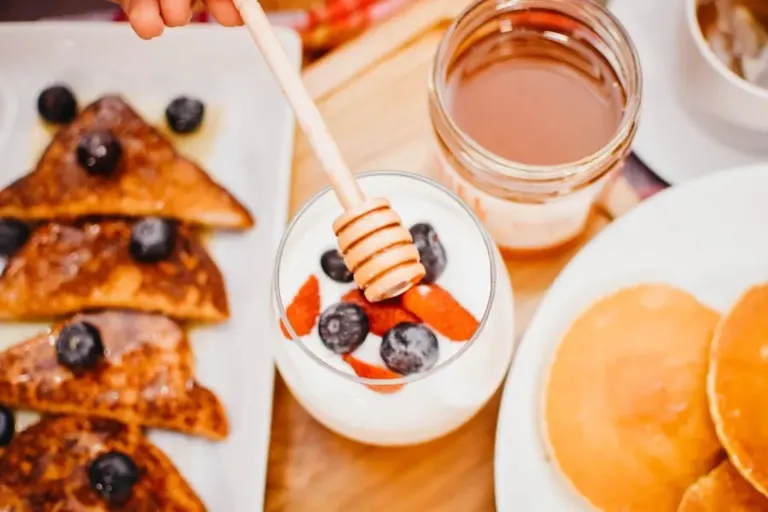
At breakfast
A spoonful on yoghurt or fromage blanc, with berries and a drizzle of honey.
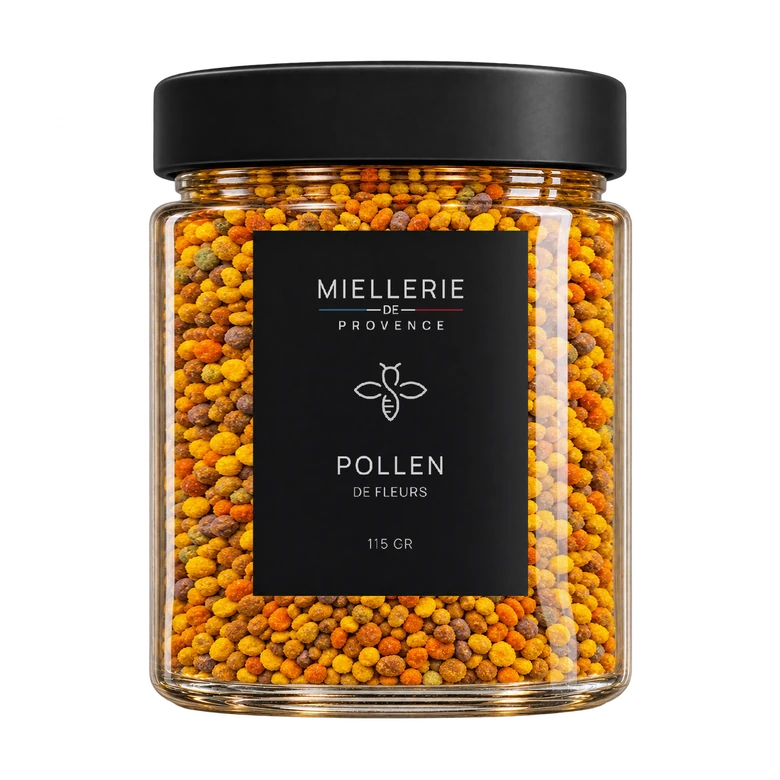
Bee productHarvested in France
€13.00 (€113.04 / kg)
Dried bee pollen granules, harvested in France by a beekeeper at the entrance of his hives. A floral, slightly sweet taste and the colours of every flower the bees visited: one spoonful is enough on yoghurt, muesli or fruit.
Floral, slightly sweet, a little powdery
 The breakfast companionGarrigue HoneyPollen and garrigue honey on yoghurt: the flowers of Provence first thing. · €13.00
Order today, estimated delivery in France between Thursday 12 November and Monday 16 November
Shipped within 2 to 3 working days from Aix-en-Provence. Free delivery from €50, mixing treats and honeys.
Delivered before Christmas for orders placed by Tuesday 15 December
Card, Apple Pay, Google Pay · 14 days to change your mind
Tasting notes
Its profile, how it unfolds on the palate, what goes into it: everything to know whether it is for you, before you open it.
01
02
Ingredients
Dried flower pollen (100 %).
Not recommended for people allergic to pollen or bee products, nor for young children.
03
Presented in our signature black glass jar, resealable, jarred in Aix-en-Provence.
Hive treats
Mix them with our honeys in one parcel: delivery is free from €50.
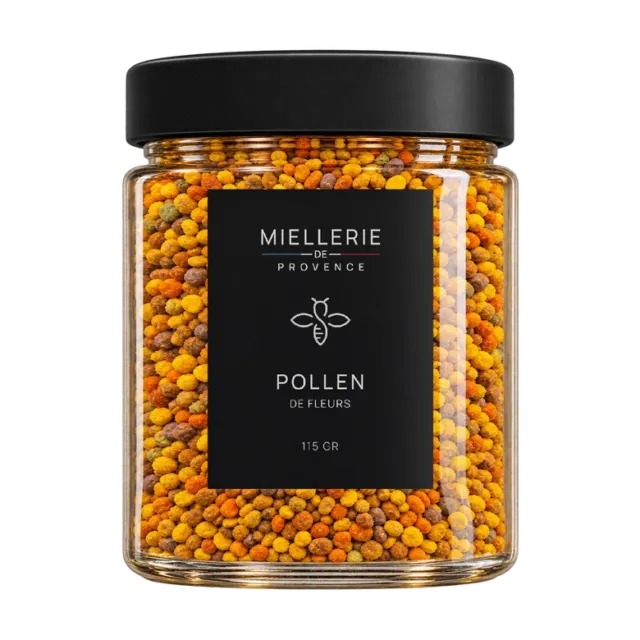 You are hereDried bee pollenFloral, slightly sweet, a little powdery€13.00
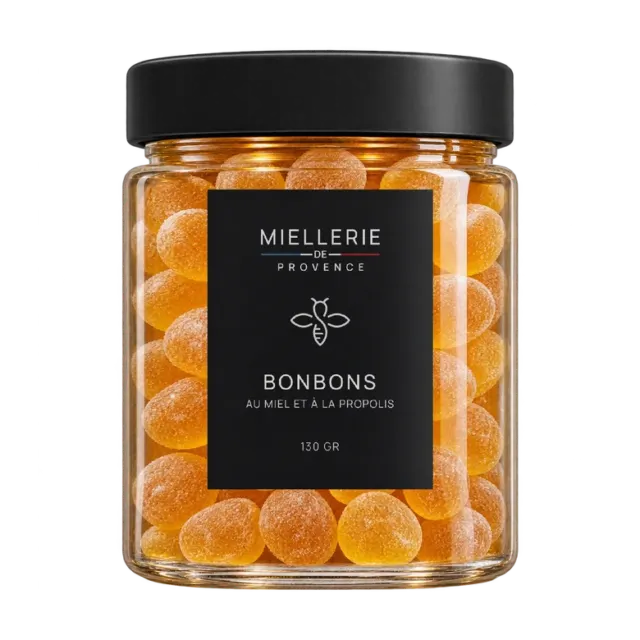 Hive confectioneryHoney and propolis dropsHoney first, then propolis as the centre melts€10.00
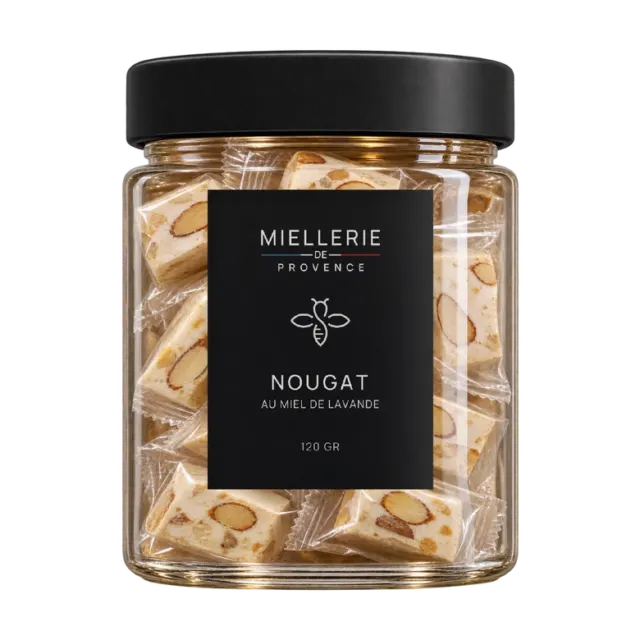 Provençal confectioneryMini lavender honey nougatsSoft, crunchy almonds, a lavender honey finish€15.00
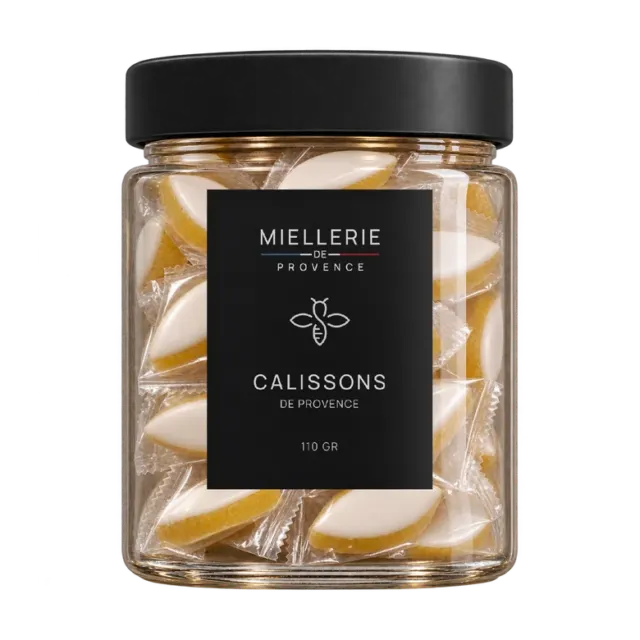 Provençal confectioneryMini calissons d'Aix-en-ProvenceMelting almond, candied melon, crackling icing€15.00
Its origin
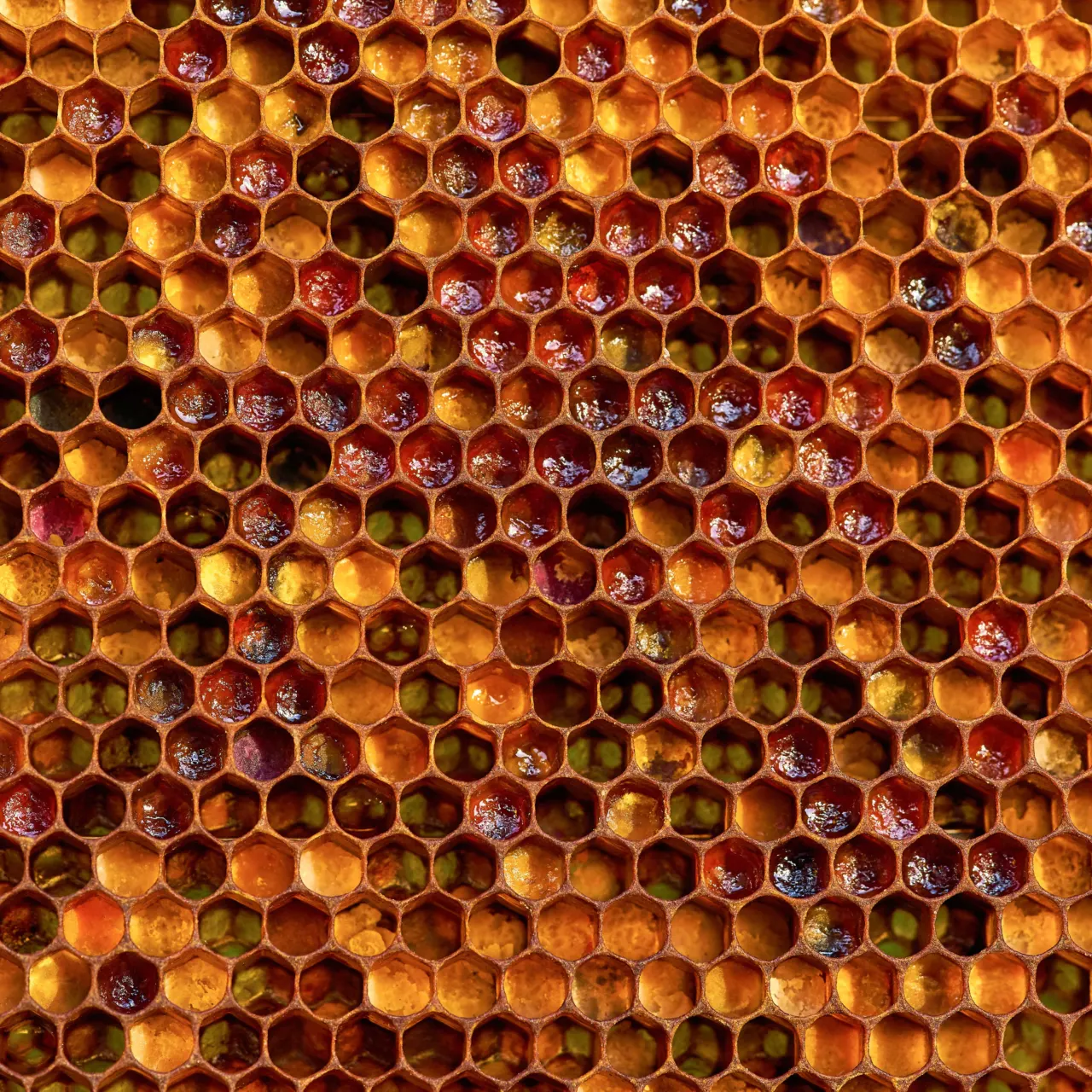
Our pollen comes from a French beekeeping family. In spring and summer, the beekeeper fits a trap at the entrance of his hives: as they pass, the foragers drop part of their granules. He only takes a small share, so the colony never goes short.
Enjoying it
A spoonful on yoghurt or fromage blanc, with berries and a drizzle of honey.
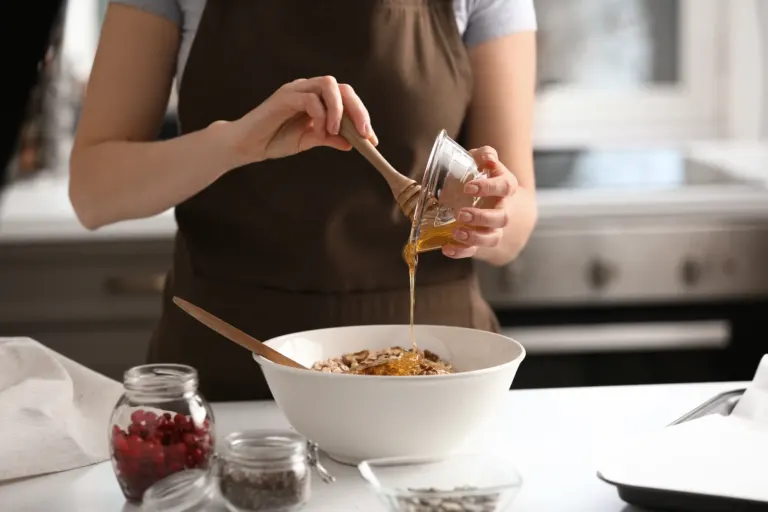
Added after baking, to keep its colour and light crunch.
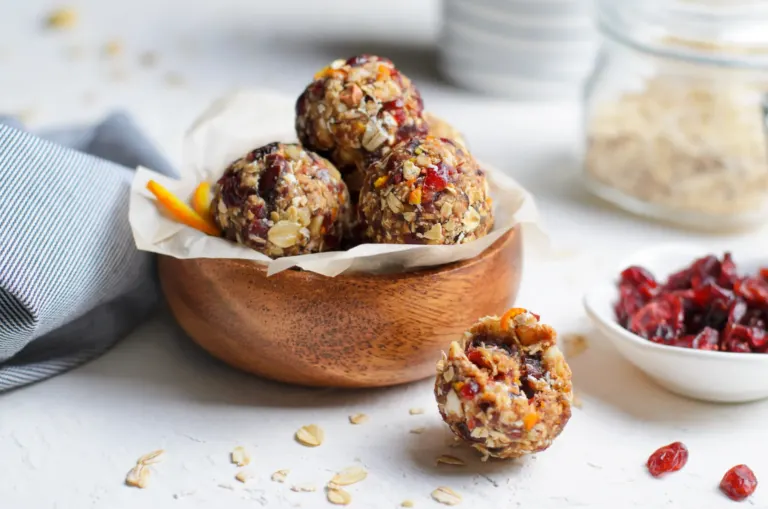
Rolled into oat energy balls, for a break full of energy.
Bee pollen, also called flower pollen, is the small granules foraging bees carry back to the hive on their hind legs. Harvested in France by a beekeeper, then gently dried, it keeps its colours and its taste of flowers.
While foraging, a bee gets covered in pollen. She packs it into granules with a little nectar and carries it to the hive, where it feeds the larvae. The beekeeper collects part of it with a trap fitted at the hive entrance: the bees walk through a grid and a few granules drop into a drawer. He only takes a small share, so the colony never goes short.
Fresh pollen has to be kept in the freezer and shipped cold. Dried pollen is dried at a low temperature right after harvest: it keeps for months in a cupboard, jar closed, and travels without a cold chain. It is the most practical for everyday use, and the one we offer.
Start with a few granules for the first days, then increase gradually. Many people take it for three to four weeks when the seasons change.
Pollen is rich in protein, amino acids, B vitamins and minerals. It is traditionally taken for an energy boost, to support the body at the start of winter or in spring, and during tired spells. To learn more about how it is harvested and used, read our bee pollen guide.
Pollen is not recommended for people allergic to pollen or bee products, nor for young children. Start with a very small amount to check your tolerance. If in doubt, or if you are pregnant, ask your doctor. It is a food, not a medicine.
Close the jar well and keep it dry, cool and away from light. Moisture is its enemy: always use a dry spoon.
Pollen is much lighter than honey: our jar, which holds 300 g of honey, holds only about 115 g of pollen. It is filled to the brim.
Reviews
There are no reviews yet.