
Why Is Protecting Bees Crucial for the Environment?
Three-quarters of food crops depend at least partly on pollinators. Why the decline of bees threatens biodiversity and our food, and what…
The honey blog
Bees, pollination and sustainable beekeeping: the environmental stakes behind a jar of honey.
Three-quarters of food crops depend at least partly on pollinators. Why the decline of bees threatens biodiversity and our food, and what…
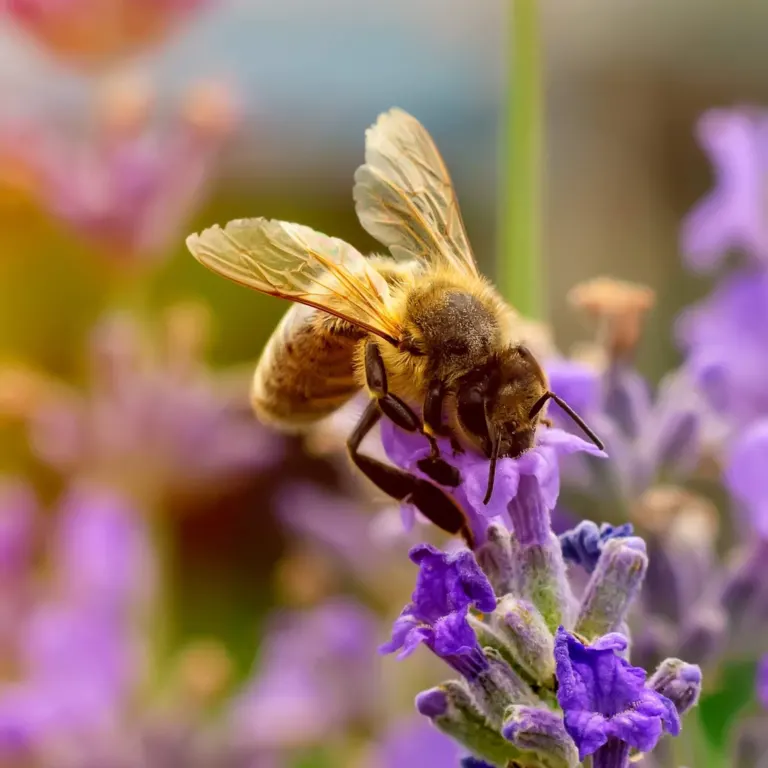
As they forage, bees carry pollen from flower to flower and help many plants reproduce, both wild and cultivated. Their health depends on the diversity of flowers, the use of pesticides, the climate and parasites such as the varroa mite. We look at this more closely in our article on why protecting bees matters.
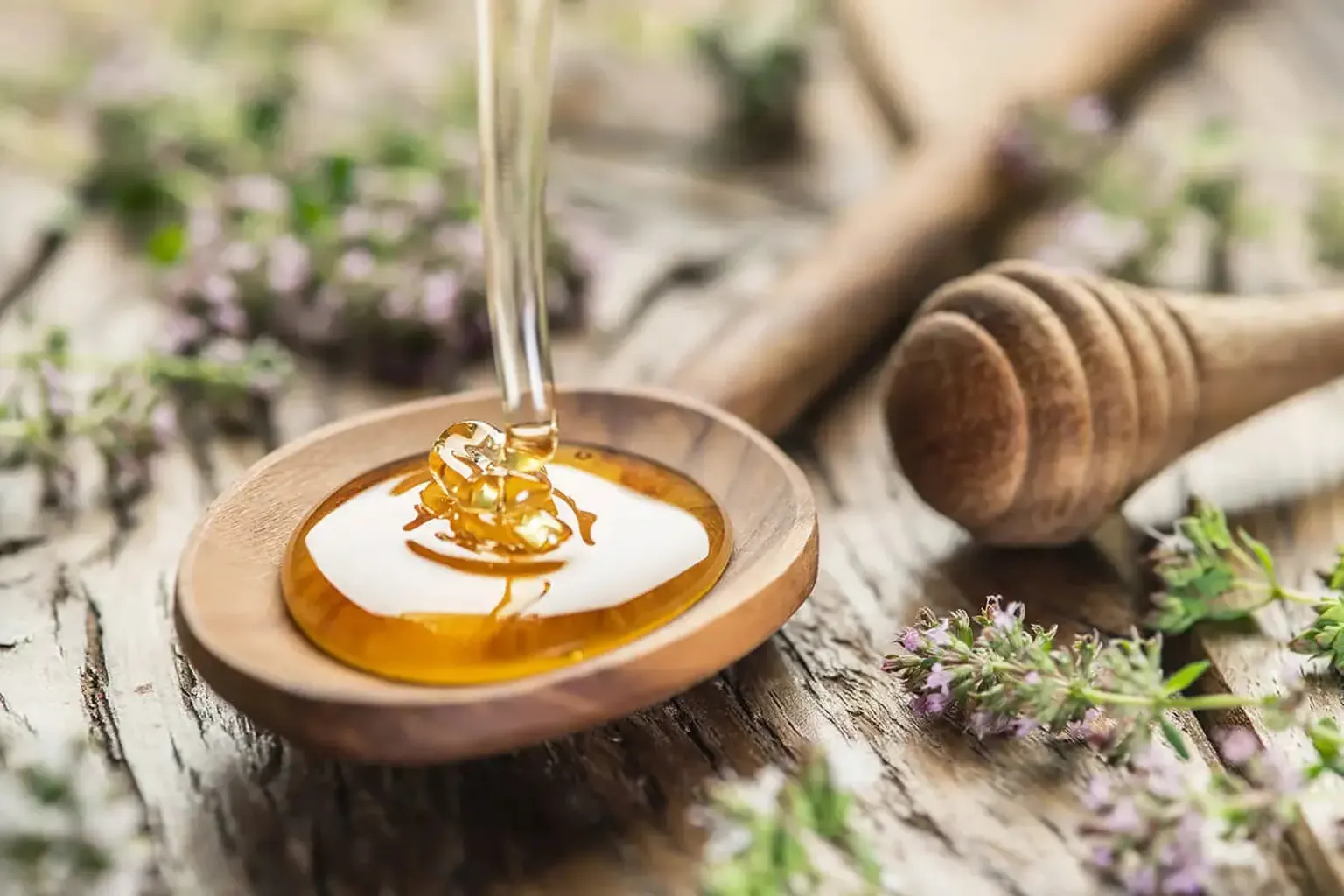
A honey keeps the trace of the landscape where it was harvested: lavender plateaus, hills of thyme and garrigue, chestnut groves, forests and high-altitude flowers. A dry year or a late bloom shows in the harvest, in both quantity and flavour. Discover these landscapes on our page about the honey terroirs of Provence, and see how bees make honey.
For the six honeys we select, we work with partner beekeepers in Provence.