
The Benefits of Thyme Honey: Virtues and Uses
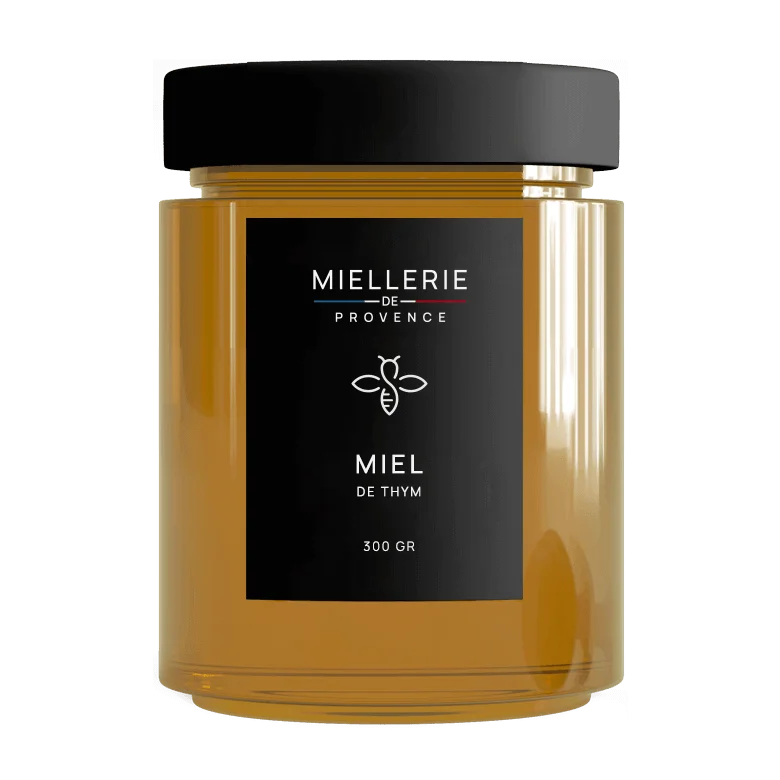
Of all terroir honeys, thyme honey is probably the one whose benefits are the most renowned. Used since antiquity (the ancient Egyptians already used it for wound healing), it owes its virtues to thyme itself, an aromatic plant rich in active compounds that bees concentrate in their honey. Irritated throat, natural defences, skin care: here is what this exceptional honey can really do for you, and how to use it well.
The benefits of thyme honey at a glance
- The most renowned honey for the throat and coughs, thanks to antiseptic thymol
- Traditional support for immunity during winter
- A historic ally for the healing of minor wounds
- A higher antioxidant content than pale honeys
- A powerful taste that means you can use less of it to sweeten
Where do the virtues of thyme honey come from?
Thyme is one of the best-documented medicinal plants of the Mediterranean basin. Its essential oils contain thymol and carvacrol, two phenolic compounds whose antiseptic and antibacterial properties have been widely studied. As bees forage on thyme flowers, they transfer some of these compounds into the nectar, which concentrates them further as it is turned into honey.
As a result, thyme honey combines the assets of all honeys (natural sugars, enzymes, a soothing effect) with the specific assets of its plant of origin. This is what makes it an “active honey”, like the famous Manuka honey from New Zealand, with the Provençal terroir as a bonus.
The 5 main benefits of thyme honey
1. Soothing the throat and calming coughs
This is its best-known use, and the best established. The texture of honey coats the throat with a protective film that calms irritation, while the thymol cleanses the area. A teaspoon on its own, left to melt in the mouth, or stirred into a warm herbal tea, is the classic remedy for a dry cough and a painful throat. Our guide which honey for a cough? compares the most effective honeys: thyme takes first place.
2. Supporting immunity in winter
In Provençal tradition, thyme honey is the winter tonic: a spoonful every morning, or a thyme, lemon and honey infusion at the first shiver. Its antioxidants and antibacterial properties make it natural support for the body’s defences, as we explain in our article on the benefits of honey for boosting immunity.
3. Promoting healing
This is the historic use of thyme honey: from ancient Egypt to today’s hospitals, honey has been applied to the skin to promote the healing of minor wounds, superficial burns and chapped skin. Thyme honey is traditionally preferred for this use because of its superior antiseptic activity. For a serious wound, of course, consult a healthcare professional.
4. A boost of antioxidants
Like all amber and dark honeys, thyme honey has a high content of antioxidant phenolic compounds, which help protect cells against oxidative stress. The more coloured and aromatic a honey, the higher this content generally is. Thyme ranks well.
5. Less sugar, more flavour
Its powerful aroma is a little-known slimming asset: a small spoonful of thyme honey gives as much flavour as a large spoonful of a neutral honey. For anyone looking to replace refined sugar with honey, it is one of the best choices.
Honey and thyme: a winning pairing in an infusion
Thyme honey should not be confused with thyme tea with honey, but the two go wonderfully together. For the quintessential winter tisane: steep a sprig of thyme for 5 to 10 minutes in simmering water, let it cool a little, then add a spoonful of thyme honey and a squeeze of lemon. Honey should never be stirred into a boiling liquid, which would destroy its enzymes.
This double dose of thyme (the plant and its honey) brings together the best of both: the essential oils of the infusion and the soothing properties of the honey.
How can you enjoy thyme honey every day?
- By the spoonful: a teaspoon in the morning or at bedtime in winter;
- In a warm herbal tea: thyme, lemon verbena, camomile, always off the heat;
- At breakfast: on toast, in yoghurt or fromage frais;
- In cooking: roast vegetables, glazed meats, warm goat’s cheese. Its aromas hold up well to cooking. Find ideas in our honey recipes.
Precautions: like all honeys, it is not suitable for babies under 12 months, and it remains a sugar to be eaten in moderation if you have diabetes.
Where can you find genuine thyme honey?
Pure thyme honey is rare: thyme flowers for a short time, depending on the weather, and harvests are small. Most jars sold in supermarkets are pasteurised blends of various origins. To really enjoy the benefits described here, choose a raw, unpasteurised honey with a precise origin, from a producer or an artisan honey house.
Our thyme honey harvested in Provence comes from the Provençal garrigue and is jarred without heating, with all its thymol and aromas. Discover all our honeys harvested in Provence too.
Frequently asked questions
What are the benefits of thyme honey?
It soothes the throat and coughs, supports immunity in winter, promotes the healing of minor wounds and provides antioxidants. These virtues come from thymol and carvacrol, the antiseptic compounds of thyme that bees concentrate in the honey.
How much thyme honey should you have per day?
One to two teaspoons a day are enough for wellbeing purposes (throat, immunity). It is a food, not a medicine: it complements a healthy lifestyle without replacing treatment.
Is thyme honey good for the skin?
It is traditionally applied to minor wounds and used in homemade beauty care (face masks, lip care) for its antiseptic and moisturising properties. See our 3 homemade honey face masks.
Thyme honey or Manuka honey?
Both are “active” honeys with marked antibacterial properties. Manuka is sold with certified concentrations (UMF/MGO) but costs three to ten times as much; a good raw thyme honey offers unbeatable value in terms of benefits for everyday use.